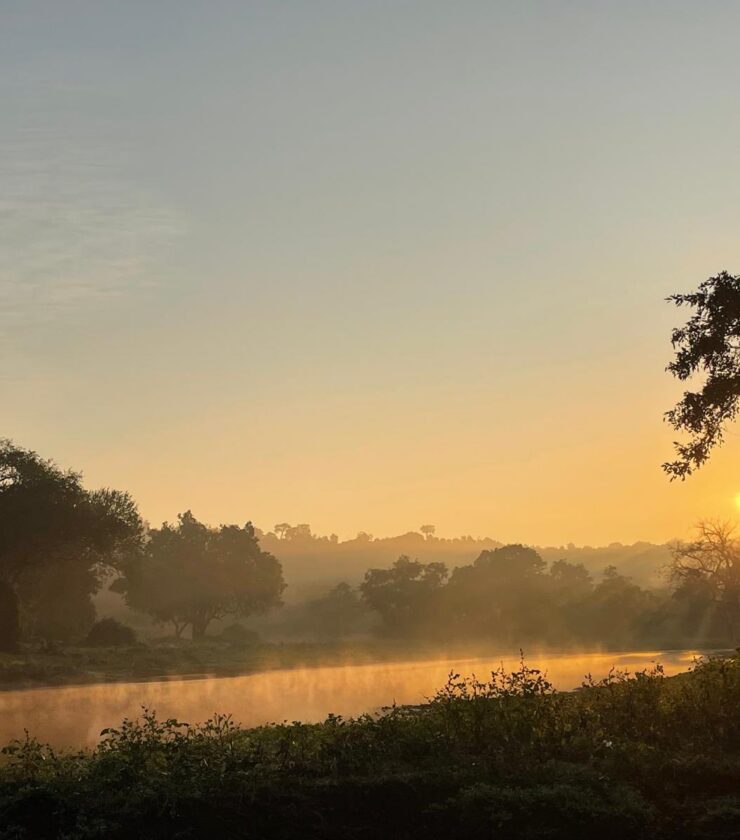
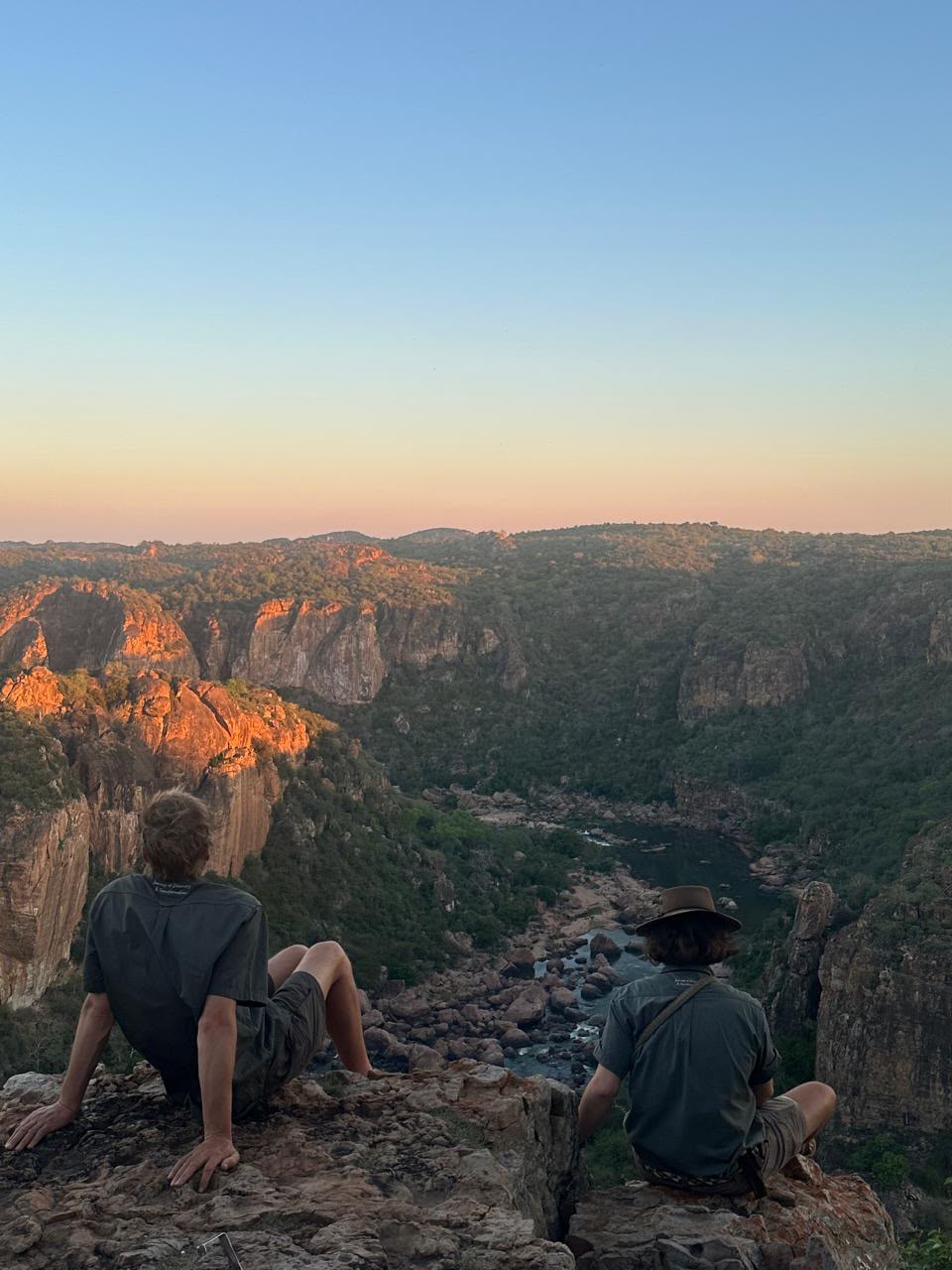
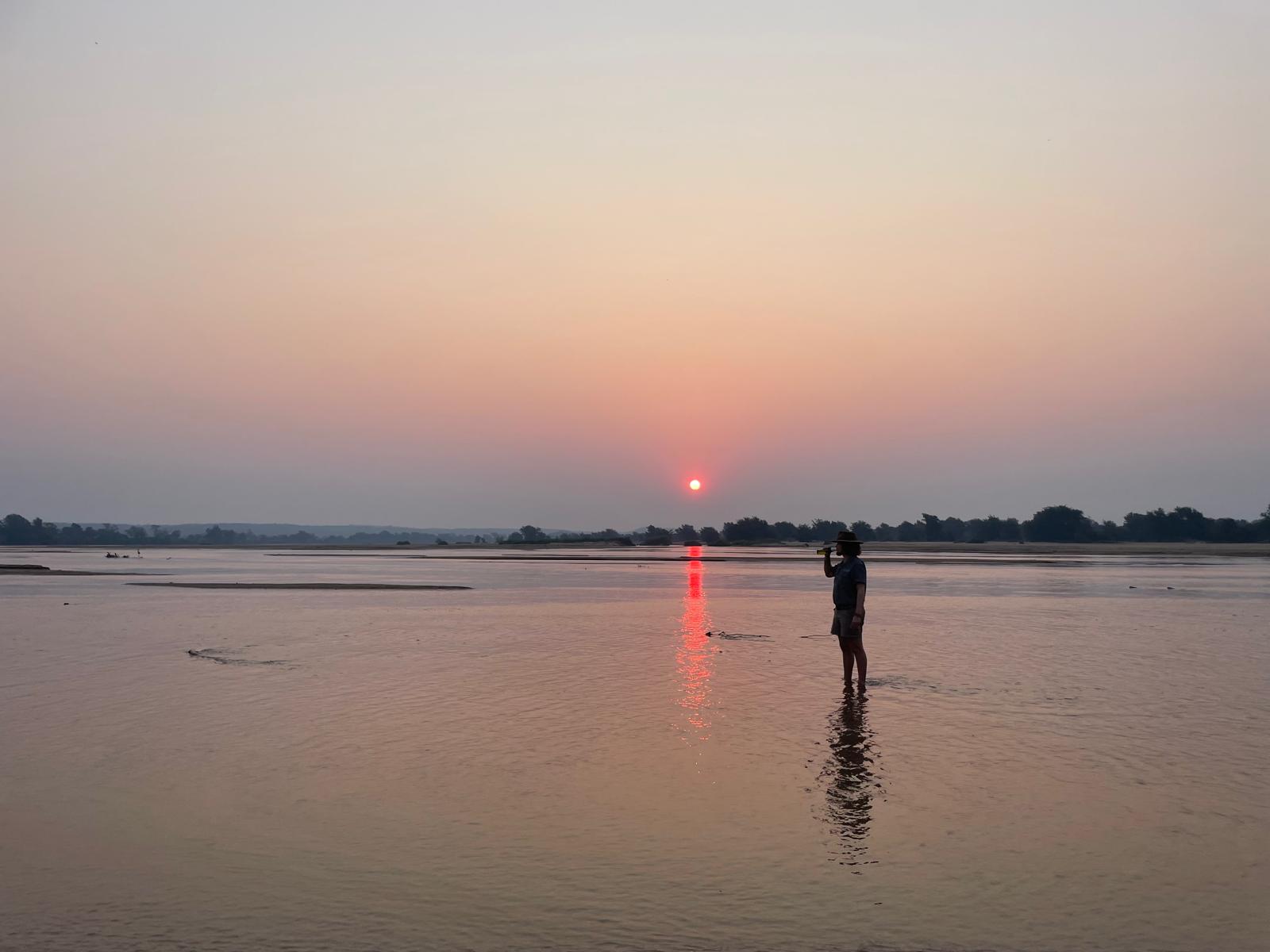
First light on the Luvuvhu, near the end of a walking season like no other. Photo: Mille Nielsen.
They had stopped for a rest on a fallen log at the edge of Nwambi Pan when the first elephant bull stepped out of the thicket. It walked straight into the water. Then a second followed, and a third, and a fourth, until four bulls were swimming in the pan in front of the group.
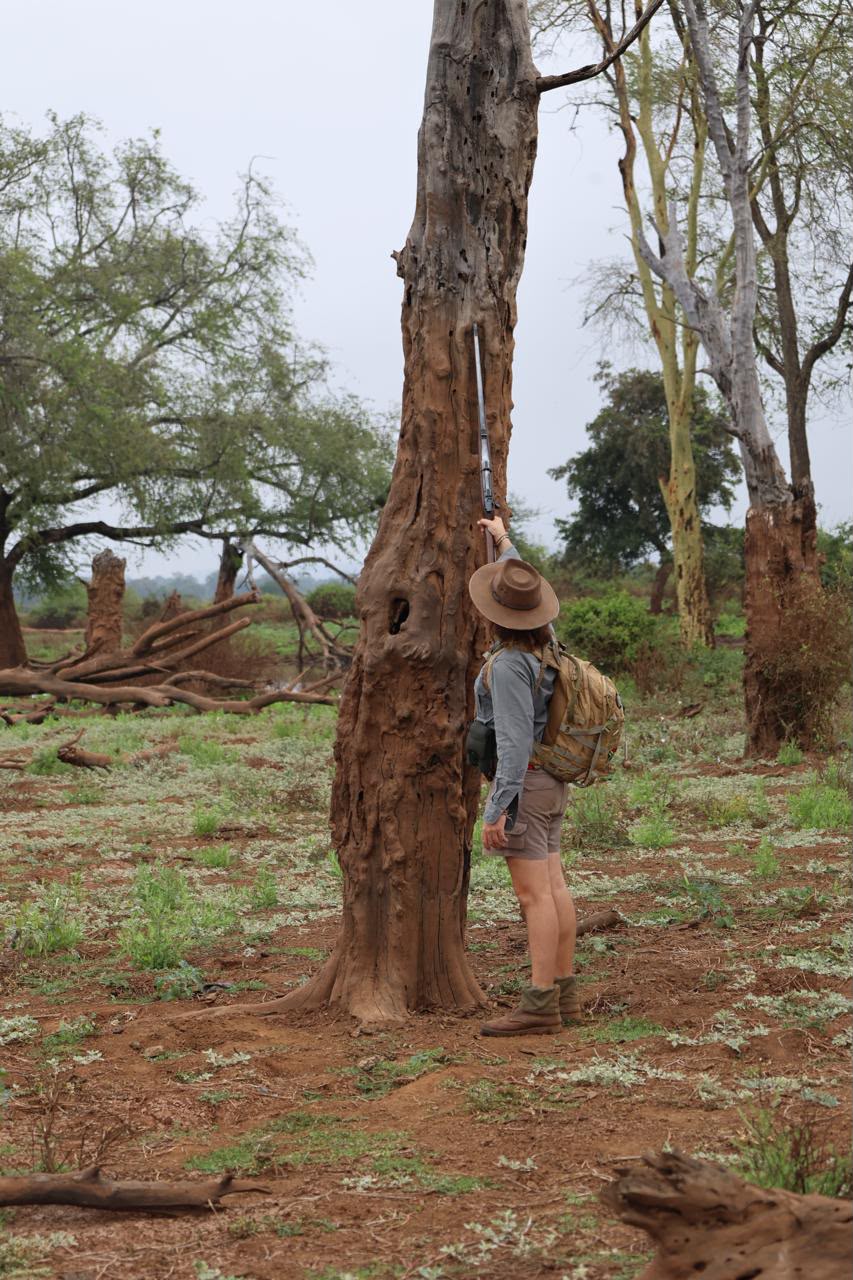
For Cyril Baloyi, Head Guide at the Pafuri Collection, that August morning was the sighting of the season. Ask him which month is best for walking and the answer comes just as quickly: August. Ask the rest of the Pafuri Collection’s guides, all qualified to lead walking safaris, and you will get different answers, each one for a good reason.
Pafuri’s walking season runs from April to October in the Makuleke Contractual National Park, in the far north of Kruger. April is green, wet and full of birds. May to August brings cool mornings and comfortable walking. September and October are hot and dry, with elephant and buffalo drawn to the water.
2026 was a walking season unlike any other, shaped by two floods on the Luvuvhu River. As the walking camps close for the summer, we asked the guides who walked it to take us through it, month by month.
The Walking Season at a Glance
| Month | What it’s like on foot | Best for | Guide’s pick |
| April | Green and lush, pans full, some areas still muddy, fewer elephants | Birders, green landscapes | Zach, for birding |
| May and June | Not too hot, not windy, trees still in leaf | First-time walkers, trees and plants | Hlahla, and Brent in a normal year |
| July | Cool mornings, longer walks of four to five hours | Comfortable, unhurried walking | Zach, for overall walking |
| August | Mild weather, buffalo and elephant in abundance | Almost everyone | Cyril |
| September and October | Hot and dry, bush open, animals back at the water, shorter morning walks of two to three hours | Elephant and buffalo on foot | Zach if you can take the heat, and Brent after a wet year |
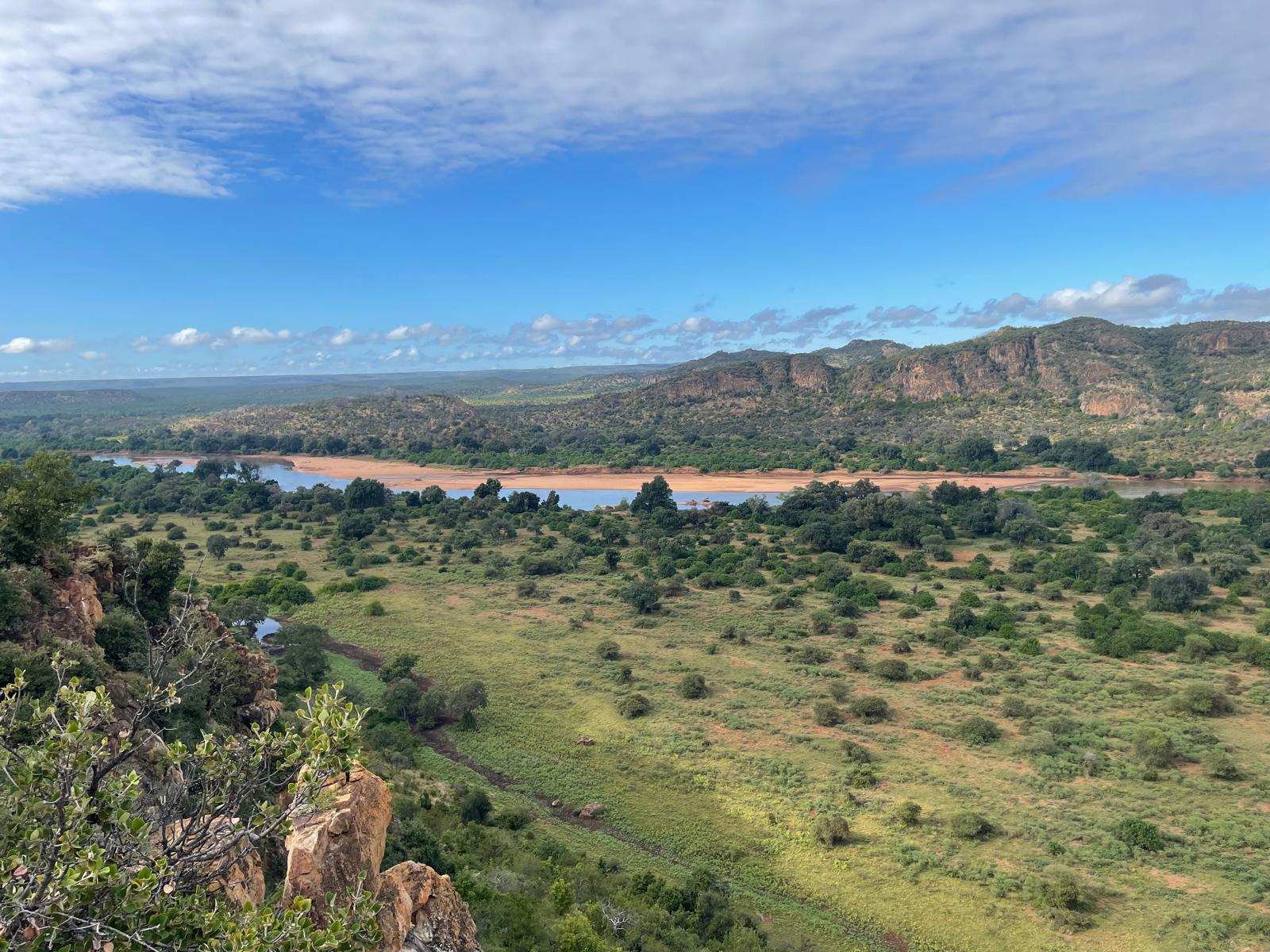
April: Green, Wet and Full of Birds
The first walks of 2026 came after months away. The floods had kept the team out of the bush for the first part of the year, and guide Mille Nielsen remembers how good it felt “to get back in uniform.”
Zach Savage, Assistant Head Guide, has walked Pafuri for five years and says this April was unlike any he has seen. “Everything was exceptionally green, all the pans were full, the birds were unbelievable.”
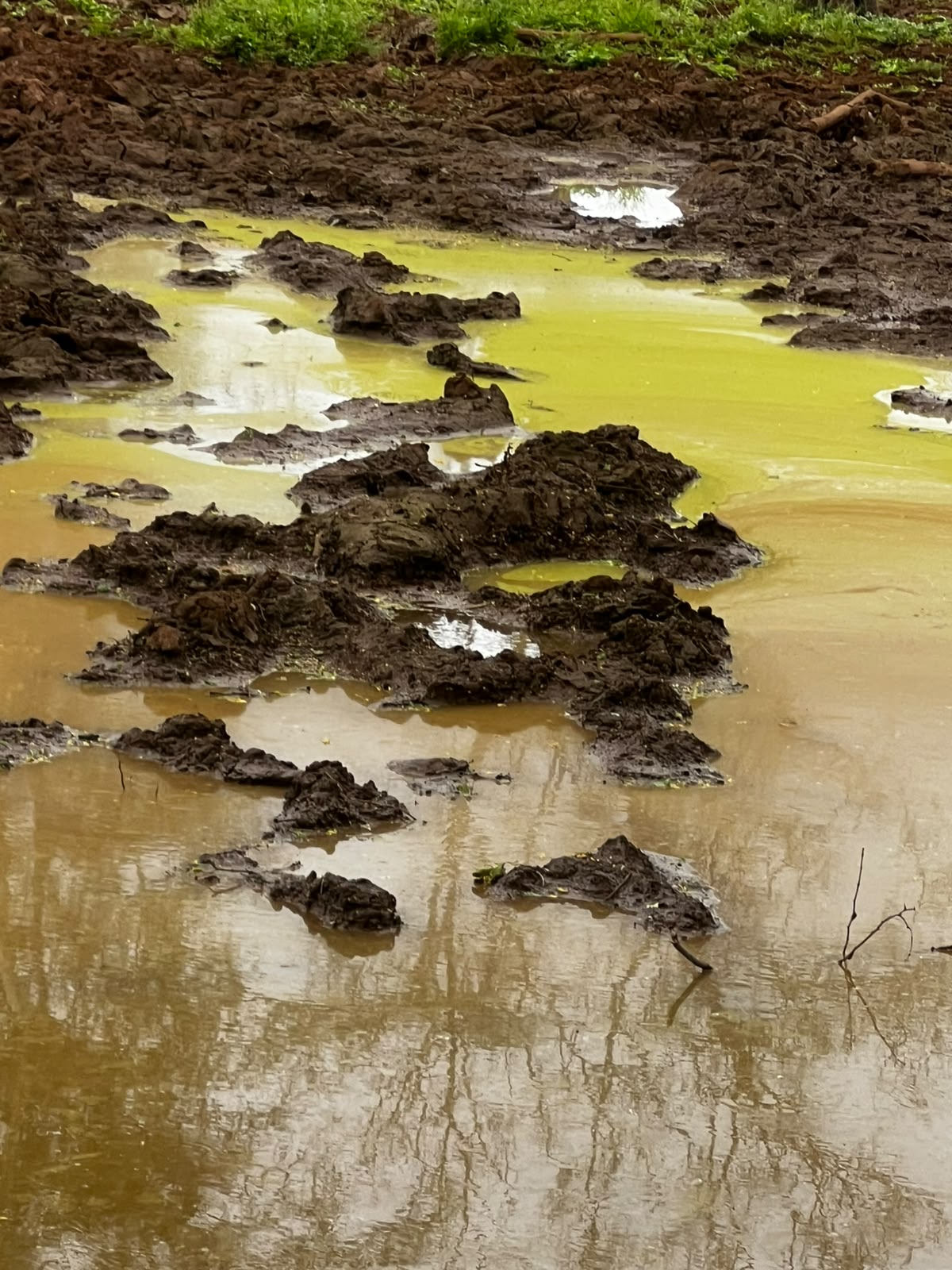
The same water made walking harder. The Fever Tree Forest was underwater, reachable only from the ridge on its north-eastern side. Floodplains stayed muddy for weeks, and the bush was thick. With food and water everywhere, elephants had no reason to come to the river, and most were still further south. Cyril puts it plainly: in April the bush is thick and wet, and animals are harder to spot.
Even in a normal year, some areas can’t be walked straight away in April because the pans are still too muddy.
Best for: birders and anyone who wants to see Pafuri at its greenest.
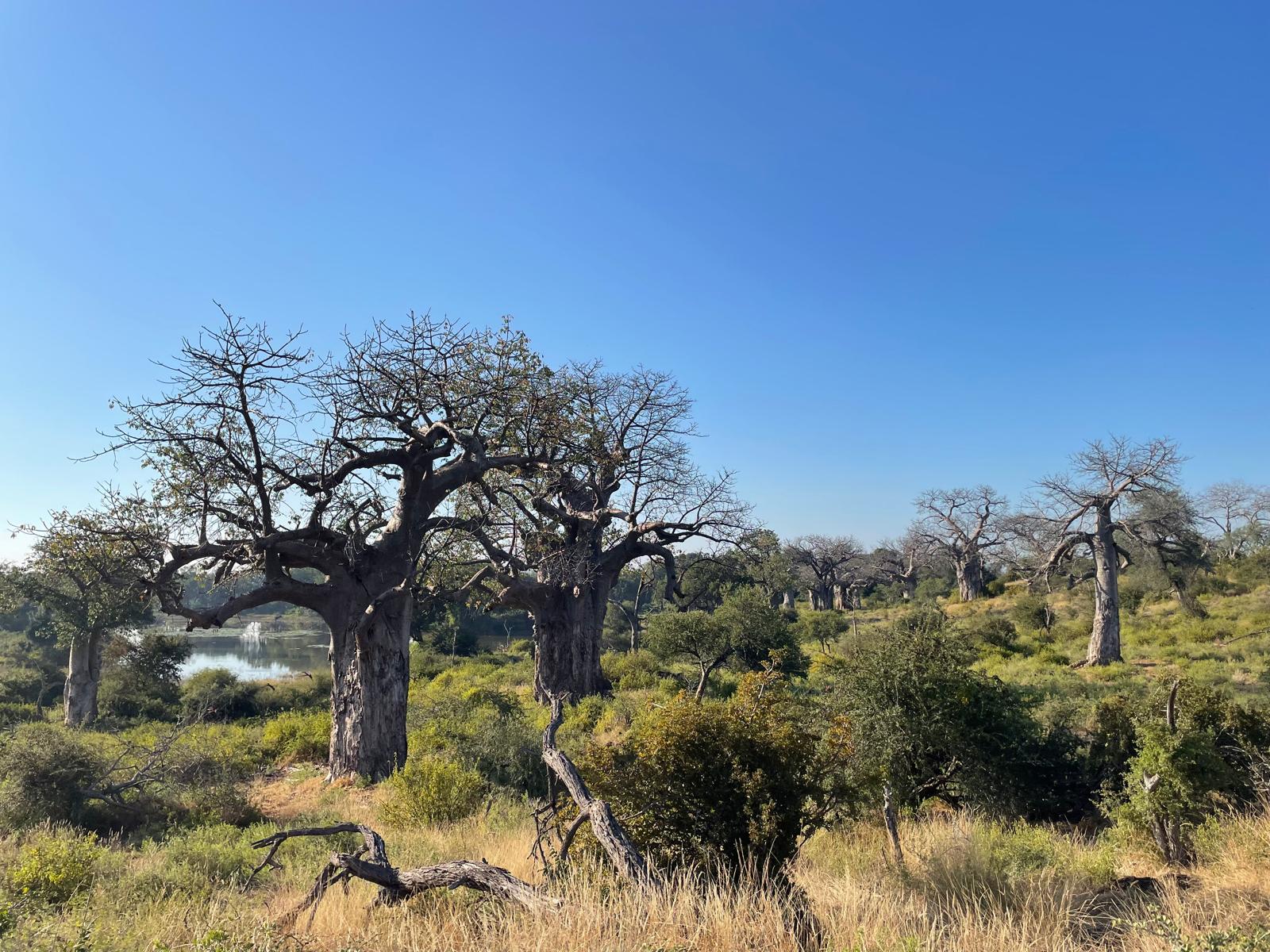
May to August: The Comfortable Months
For guide Hlahla Chauke, May and June are the sweet spot. “The temperature is perfect. It’s not too hot and it’s not windy,” he says. “The trees still have their leaves, so they’re easy to identify.”
Brent Evans, Senior Guide, also picks May, when the land is “dry enough to explore the effects of the rains.”
As winter settles in, the walks get longer. Zach says morning walks in the cooler months can run to four or five hours, and for pure walking enjoyment he picks June and July.
By August the bush has thinned and the animals are moving to permanent water. Cyril calls it the month that suits everyone: “The weather is perfect. Buffalos and elephants are in abundance.”
Best for: first-time walkers, longer walks and comfortable temperatures.
September and October: Heat and the Big Animals
As the land dries out, the animals come back. “We had a lot of buffaloes on foot,” Zach says. “The bush is more open. Underfoot is dry.” More areas can be walked, and Cyril notes the first migrant birds arriving.
Early September is Brent’s other favourite, when trees begin to flower and birds start courting. After a wet year like 2026, it’s the month he would book for himself.
The trade-off is the heat. “October is hot, very hot,” says Mille. On Zach’s last trail of the season it reached 40 to 41°C, so October walks are shorter, usually two to three hours in the morning.
An elephant bull at Nwambi Pan, watched from a respectful distance on foot. Still from video; the clip is available for the post. Photo: Zach Savage.
Zach’s favourite encounter came near the end of the season at Nwambi Pan. The group was walking the edge of the pan to see hippos when an elephant bull came around a croton thicket, head down, half asleep, walking straight towards them. Zach moved between the bull and the guests. At about ten metres he lifted his hand and clicked. The bull looked up, looked at the group, and walked away.
“The pan as a backdrop, mahogany and ana trees overhead,” Zach says. “It’s something special to have an elephant encounter where the elephant looks small.” The guests called him an elephant whisperer. “All I literally did was lift my hand and click,” he says. “When you’re comfortable and not nervous, that reflects on the guests.”
Best for: elephant and buffalo on foot, for walkers who can handle the heat.
2026: Walking After the Floods
Two floods on the Luvuvhu changed where the guides could walk and where the animals went.
The river stayed high all year, so for the first time there were no river walks. “But on the other side, the landscape is beautiful,” says Hlahla. “All the pans have lots of water, the bush is still green. Everywhere you walk there is something to talk about.” After the floods came food for everything, from insects and butterflies up.
The water also left new ground behind. “So much new deposited sand in certain places, you feel like you’re walking on the beach,” Mille says.
Cyril noticed the biggest shift in the elephants. The floods cut the riverbanks higher, making it hard for elephants to slide down to the water, so they now drink from the pans instead. That has made the pans, and the elephants at them, far easier to reach on foot.
Brent saw the floods spread the game out. Densities were much lower, especially elephant breeding herds. But with food everywhere, the animals were “all fat, glossy and relaxed,” and the good feeding brought more elephant bulls into musth early in the year.
For Godfrey Baloyi, General Manager of the Pafuri Collection, simply opening was the achievement. Reaching the walking camps meant opening a new road, clearing the sites, laying new floors and putting the tents back up. At Pafuri Camp, the first group of the year arrived the day after another flood. “The damage that was caused by the flood here was so huge,” he says. “But we thank all the team members that put together their thoughts and efforts to make sure that we reopen again. It means a lot to us.”
Returning walkers notice the change straight away, he says. They see the debris in the Fever Tree Forest and on the floodplains. But they also find new views along the river, especially walking west, and routes they had never walked before. “The guests are happy to see this place coming back again. So everyone is happy.”
What Surprises First-Time Walkers
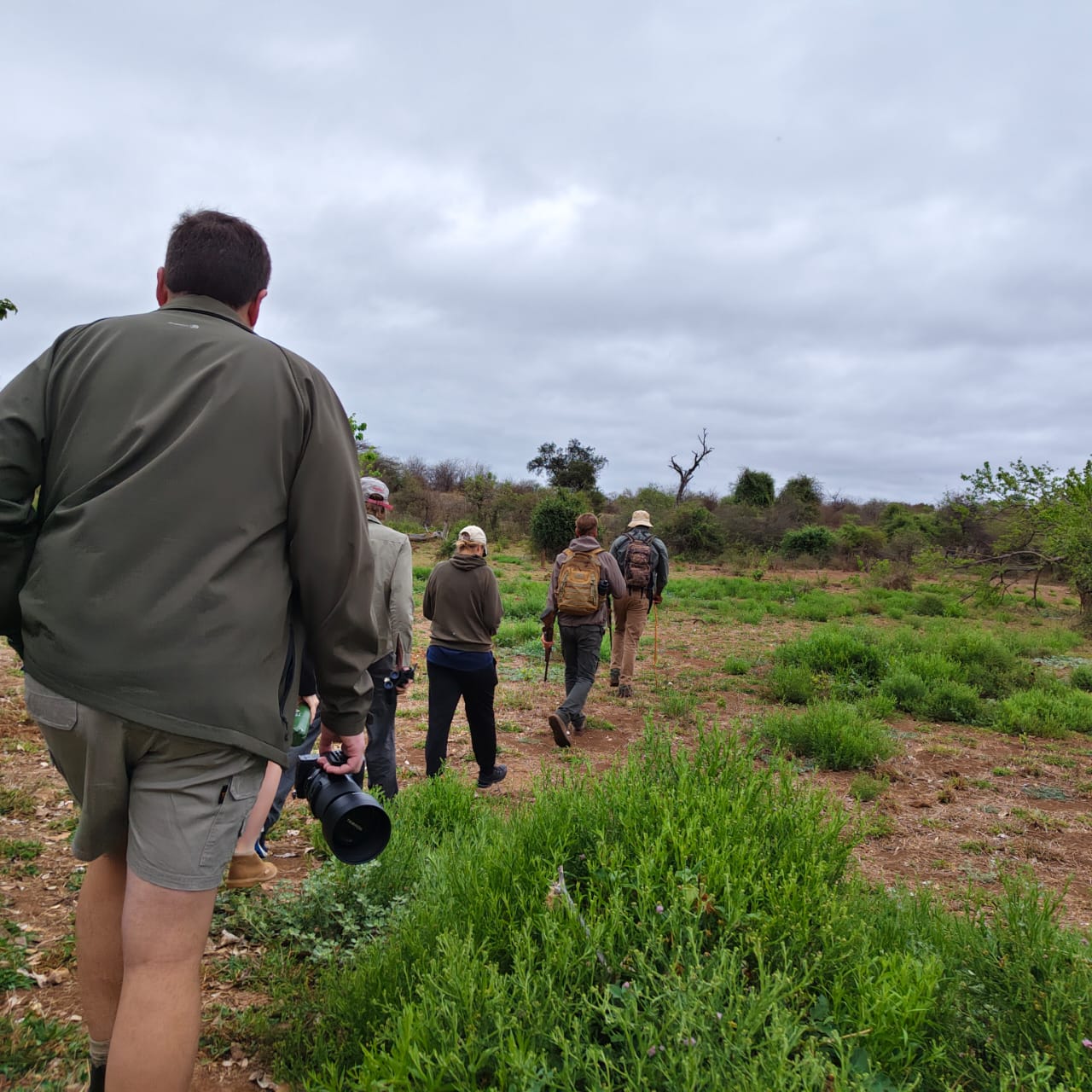
On foot, the bush feels different. “In a car there’s a superficial sort of safety,” Zach says. “On foot, guests are much more in tune, much more vulnerable. People step into the moment.”
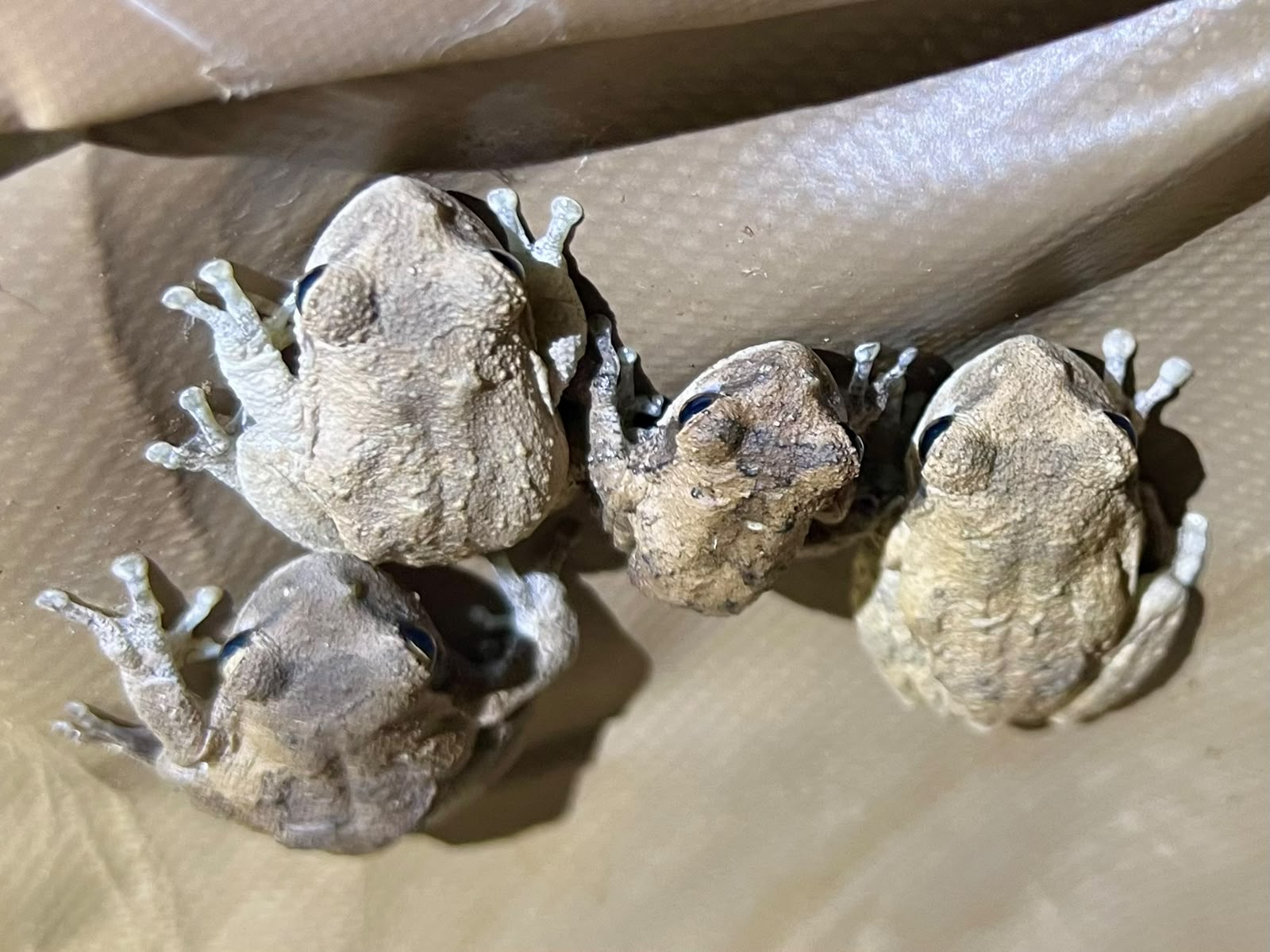
That also means seeing fewer big animals than from a vehicle. To wildlife, people on foot are still a potential predator, so animals keep their distance. What walkers gain is everything smaller. “How many interesting small things there are to see,” Mille says, “insects, tracks.” Zach agrees: guests leave talking about tracks, botany and insects.
For Hlahla, the best moments come when guests stop watching and start taking part. “I enjoy the moment when guests show interest in how we do things together out there on a walk, and they become part of it.”
Brent finds first-timers are most surprised by how immersive the trails camps are. What stays with him is the camaraderie and good humour that build over a few days on foot together.
How the Guides Approach Each Walk
No two walks follow the same route. The guides plan each one beforehand around the guests: their special interests, their fitness and, as Cyril puts it, “what I would like to show them beyond their expectations.”
Once out there, patience does the rest. Brent’s favourite time on foot is with buffalo. “There’s a dialogue that takes place when done considerately,” he says. Approach a herd quietly and it relaxes, sometimes even lying down while the group sits and watches from about 30 metres.
So, Which Month Should You Choose?
- Birders: April, when the pans are full and the bush is at its greenest.
- First-time walkers: May or June, for comfortable temperatures and trees still in leaf. May is also Brent’s pick in a normal year.
- Longer, unhurried walks: June and July, when morning walks can run to four or five hours.
- A bit of everything: August, Cyril’s pick, with mild weather and plenty of buffalo and elephant.
- Elephant and buffalo on foot: September and October, if you can handle temperatures of 40°C and up. Brent’s pick after a wet year is early September.
Mille keeps it diplomatic. “All months have their different charms.”
Planning a 2027 Walking Safari
The 2027 walking season runs from April to October, and bookings are open. Each walking camp takes a maximum of eight guests, so popular months fill early. International guests usually book three to six months ahead. Walkers must be 16 or older.
Many guests pair a walking safari with a few nights at Pafuri Camp on the banks of the Luvuvhu. For a fuller picture of what to expect on foot, read Your First Walking Safari in Pafuri.
Check dates and rates for 2027, or contact our reservations team to plan your walk.
RETURN to what matters.
Frequently Asked Questions
What is the best month for a walking safari in Kruger?
It depends on what you want to see. In Pafuri, in Kruger’s far north, April is best for birds and green landscapes, May to August for comfortable walking, and September and October for elephant and buffalo at the water.
When is the walking safari season in Pafuri?
From April to October. The walking camps close from November to March, when Pafuri Camp remains open for game drives.
Is October too hot for a walking safari?
October is very hot, with temperatures reaching 40 to 41°C in 2026. Guides keep morning walks shorter, usually two to three hours, and it is one of the best months for elephant and buffalo on foot.
How long are the walks?
Morning walks are usually two to three hours in hot months and can run to four or five hours in the cooler winter months.
Will I see the Big Five on a walking safari?
You will see fewer big animals on foot than from a vehicle, because wildlife keeps its distance from people walking. What you gain is tracks, birds, insects and plants, and close encounters that feel very different on foot.
Is there a minimum age for walking safaris in Pafuri?
Yes. Walkers must be 16 or older.
Who leads the walks?
Every walk is led by a Pafuri Collection guide qualified to lead walking safaris. The team includes Head Guide Cyril Baloy, Assistant Head Guide Zach Savage and senior guides Brent Evans, Vongani “Bongs” N’waila and guides Hlahla Chauke and Mille Nielsen.
How did the 2026 floods change the walks?
The Luvuvhu stayed high all year, so there were no river walks. The pans stayed full, the bush stayed green, and elephants began drinking from the pans instead of the river, making them easier to reach on foot.