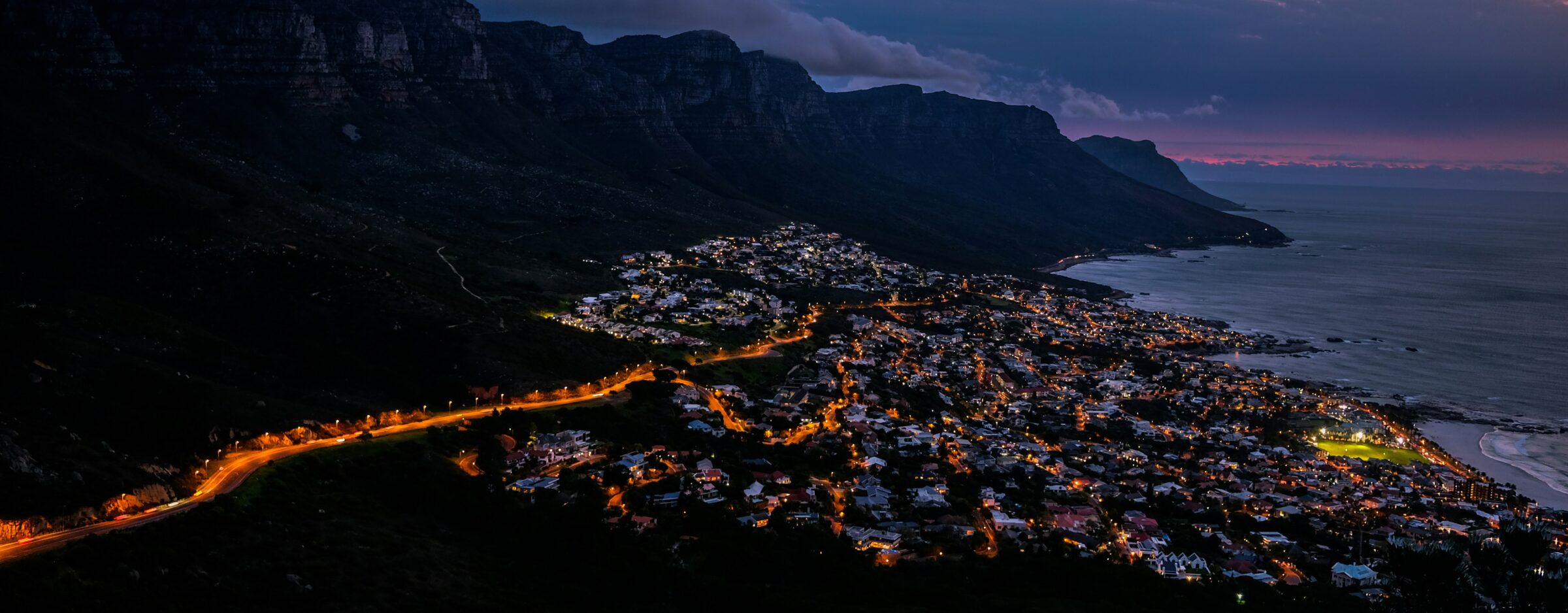
The Cape in full light: Camps Bay in high season.
They don’t arrive with questions. They arrive with a list.
That’s what Memory Masuku, Guest Relationship Manager at Welgelegen House, notices first about summer guests. The mountain, the penguins, the winelands, the table at the restaurant everyone is talking about: it is all written down already, and what they need is help deciding what comes first. Winter guests, she says, need flexibility and quick planning around the weather. Summer guests need help prioritising and organising.
Because in high season, Cape Town does not hold back. It runs at full volume, and the guests who love it most learn to move with it rather than against it.
The City at Full Volume
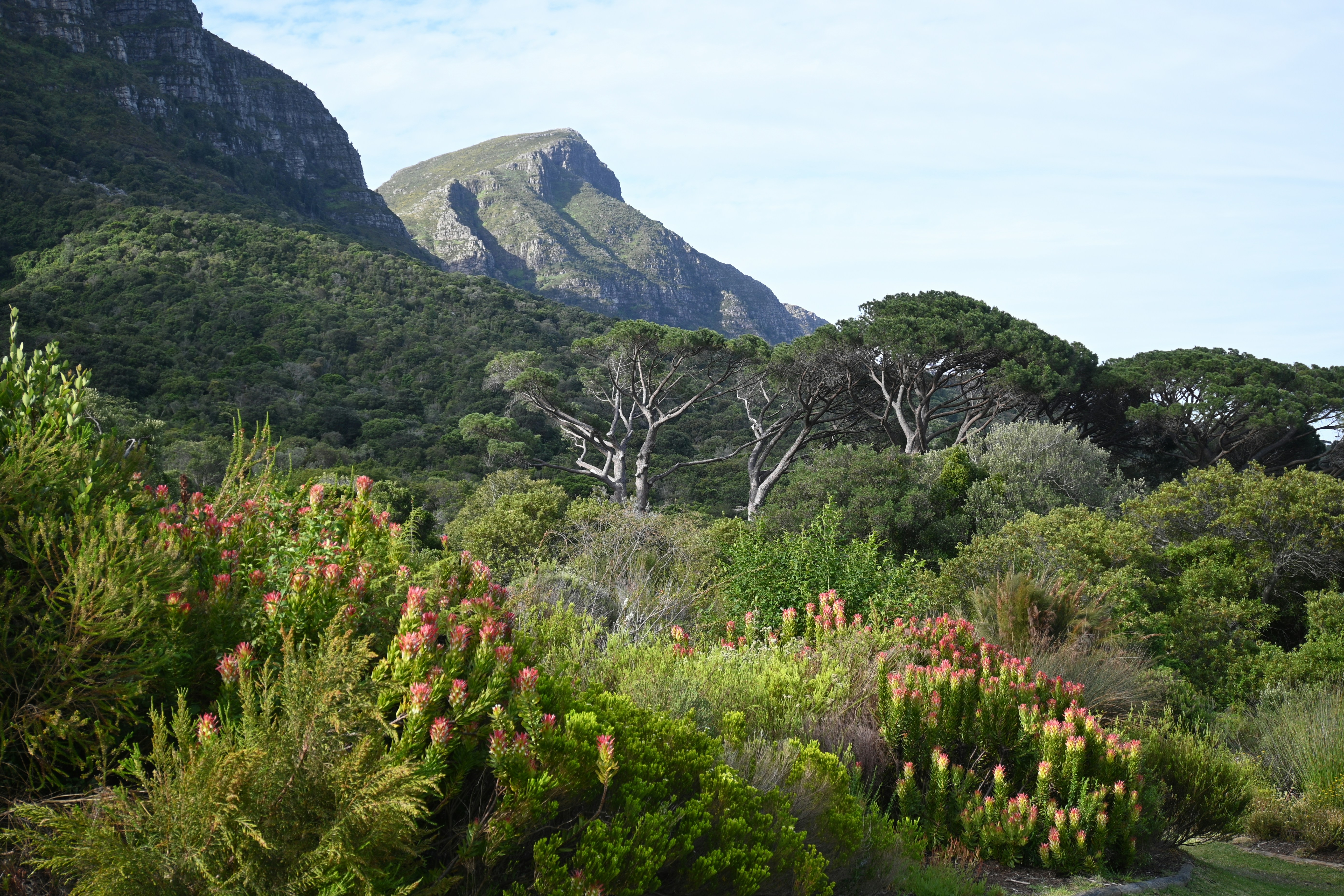
High season in Cape Town runs from September through to March, with April still showing real promise. It is not one season but a long, rising chord.
In September and October the Cape Floral Kingdom blooms and the weather turns mild. By December the days stretch, the restaurants fill and the Atlantic Seaboard hums. Then comes the quieter reward. Ayanda Prince, General Manager of Welgelegen House, loves the late summer weeks of March and April, with “warm, tranquil days, gorgeous golden light, and a slightly more relaxed pace” than the festive peak.
| Months | What to expect |
| September to November | Spring. The flowers of the Cape Floral Kingdom, milder weather, a city warming up. |
| December to January | The peak. Festive energy, long evenings, the busiest beaches, roads and restaurants. |
| February to March | Summer settles in. Long sunny afternoons and wine estates at their best. |
| April | Warm, tranquil days, golden light and a calmer pace. |
The Hour the Sky Turns
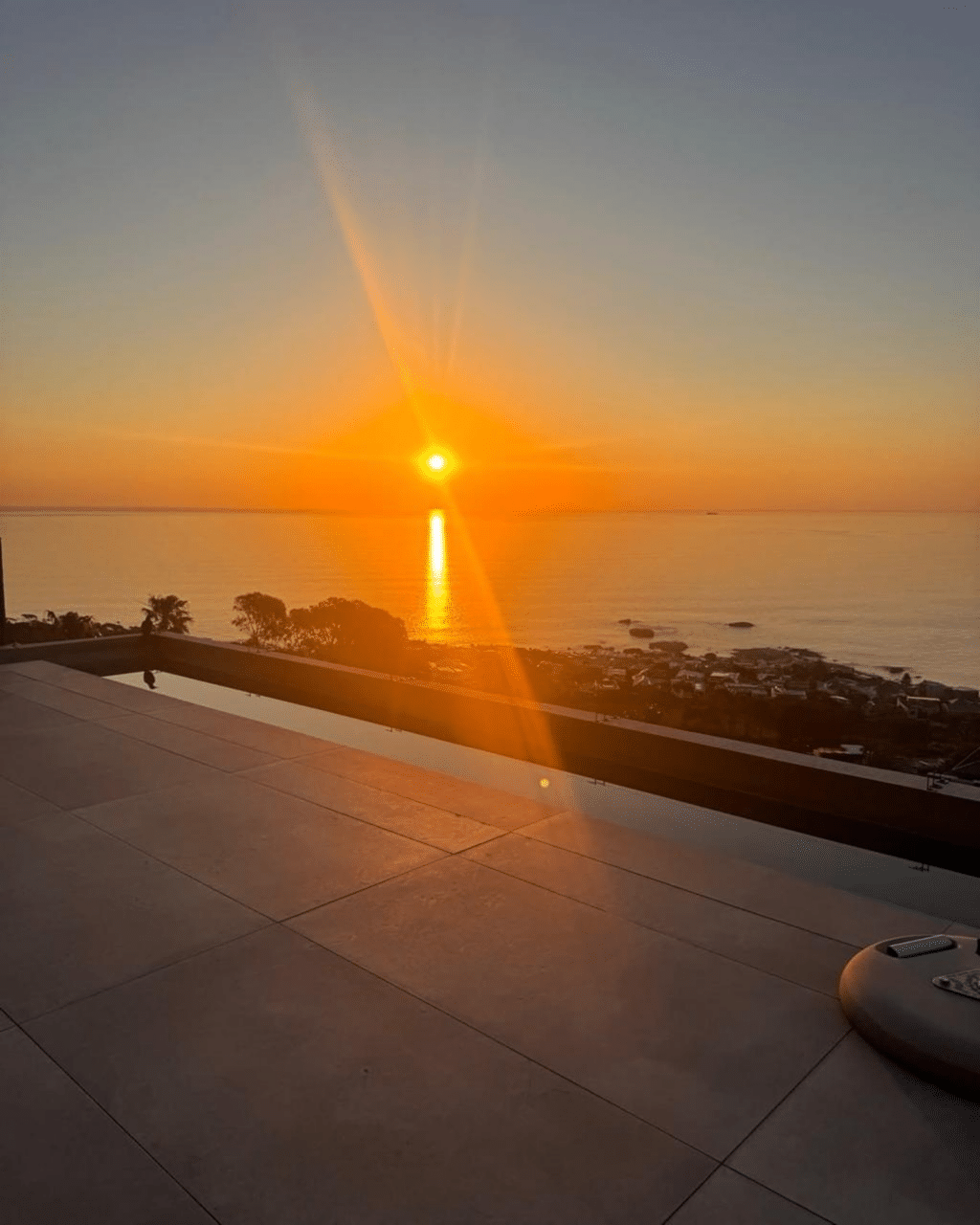
“Summer brings an entirely different kind of magic to our sunsets,” says Simon Omurye, Villa Manager at An African Story. In winter the sun crosses the bay in front of the house. In summer he watches it shift from the Clifton side towards Hout Bay, “creating some of the most breathtaking sunsets you can imagine.”
Guests begin gathering on the terraces around 18h30, often with a glass of wine in hand. The sun itself comes late, generally between 20h00 and 21h00, which leaves a long, unhurried hour to relax and watch the colours change.
One of the photographs Simon shared with us was taken by his five-year-old son, so captivated by the sky that he felt he had to capture it himself. “I think that says everything about the magic of this place,” Simon says.
Camps Bay, Turned Up
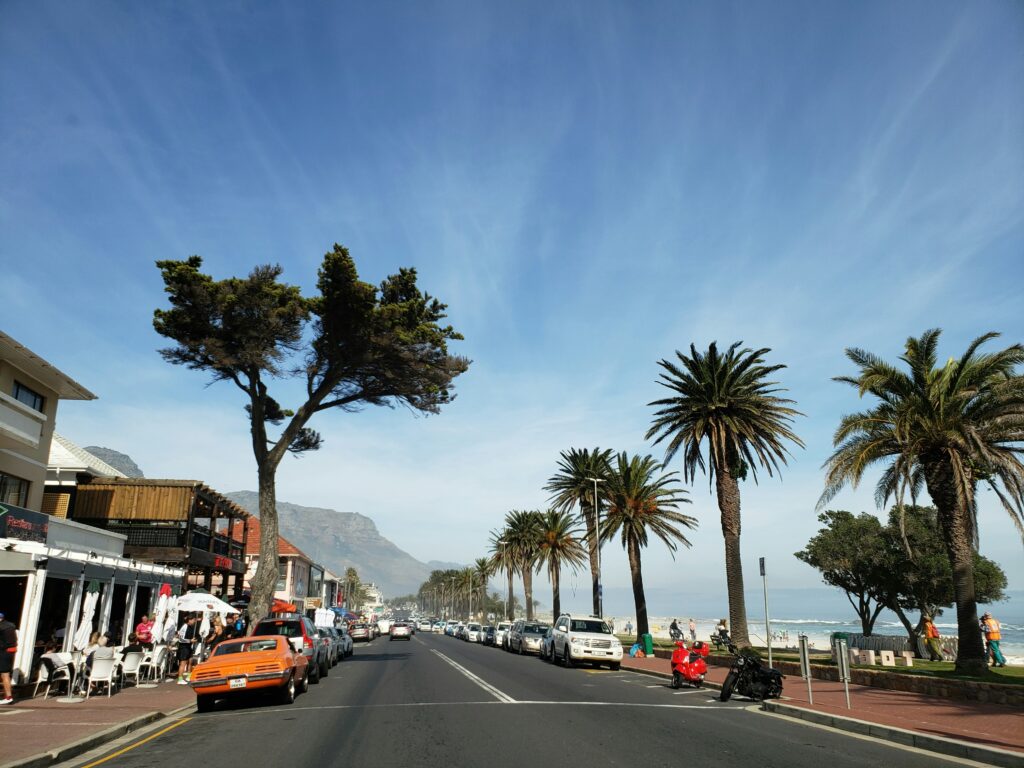
If winter Camps Bay is a held breath, December and January are the exhale. “The entire strip feels like one big international celebration,” Simon says. Restaurants buzz, music fills the air, and visitors from practically every corner of the world mingle. “People who have never met strike up conversations as though they have known each other for years.”
The energy peaks over Christmas and New Year’s week. His one piece of advice for that stretch is firm: don’t drive down to the beachfront. Traffic around the beach and restaurant strip is hectic, and Simon encourages guests to leave the car behind and enjoy the evening without the stress of parking.
The Wind Has a Name
Anyone who knows Cape Town knows the south-easter. Ayanda introduces it to guests as the city’s natural air conditioner, the Cape Doctor. It clears the skies and brings gorgeous weather, but it can blow fiercely. His advice: do the outdoor things in the morning, before the wind picks up in the afternoon, or head for the shelter of the Winelands valleys or wind-protected beaches such as Boulders and Clifton 4th. Simon takes it with a smile. “The wind is simply part of our summer personality,” he says. A windy day doesn’t mean the fun stops. The restaurants are still buzzing, the scenery is still spectacular, and the only real difference is that you hold your wine glass a little more tightly. Leave it unattended on the terrace and you may watch your favourite wine disappear with the Cape Doctor.
The Mountain, Early
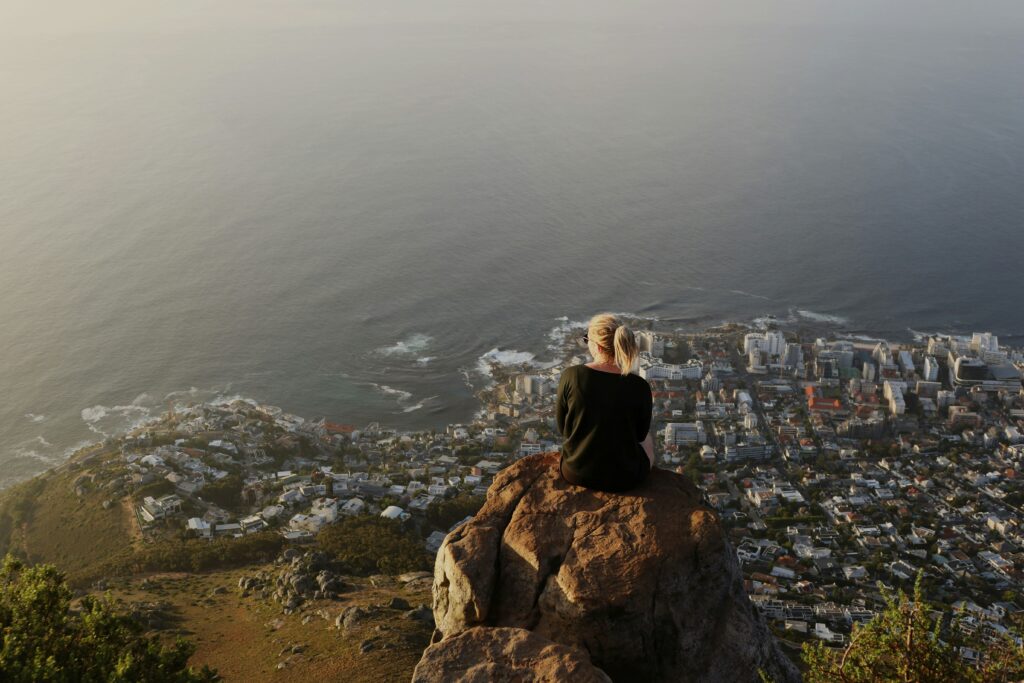
Table Mountain looks different in summer, and the way to meet it changes too. “The golden rule in summer is early morning, right at sunrise, or late afternoon just before sunset,” Ayanda says, to beat the midday heat and the strongest winds.
What guests get wrong is simple: they attempt the climbs in the full midday sun without enough water, or forget to check the wind forecast for the Table Mountain Aerial Cableway. Lion’s Head and Platteklip Gorge reward the early riser. The cableway rewards the person who has checked the wind.
Where the Water Is
The Atlantic keeps its reputation for being cold, even in high summer. But Simon says that after a few hours of Cape Town’s intense sun, “your body practically begs for a swim,” and the cold water becomes a welcome treat.
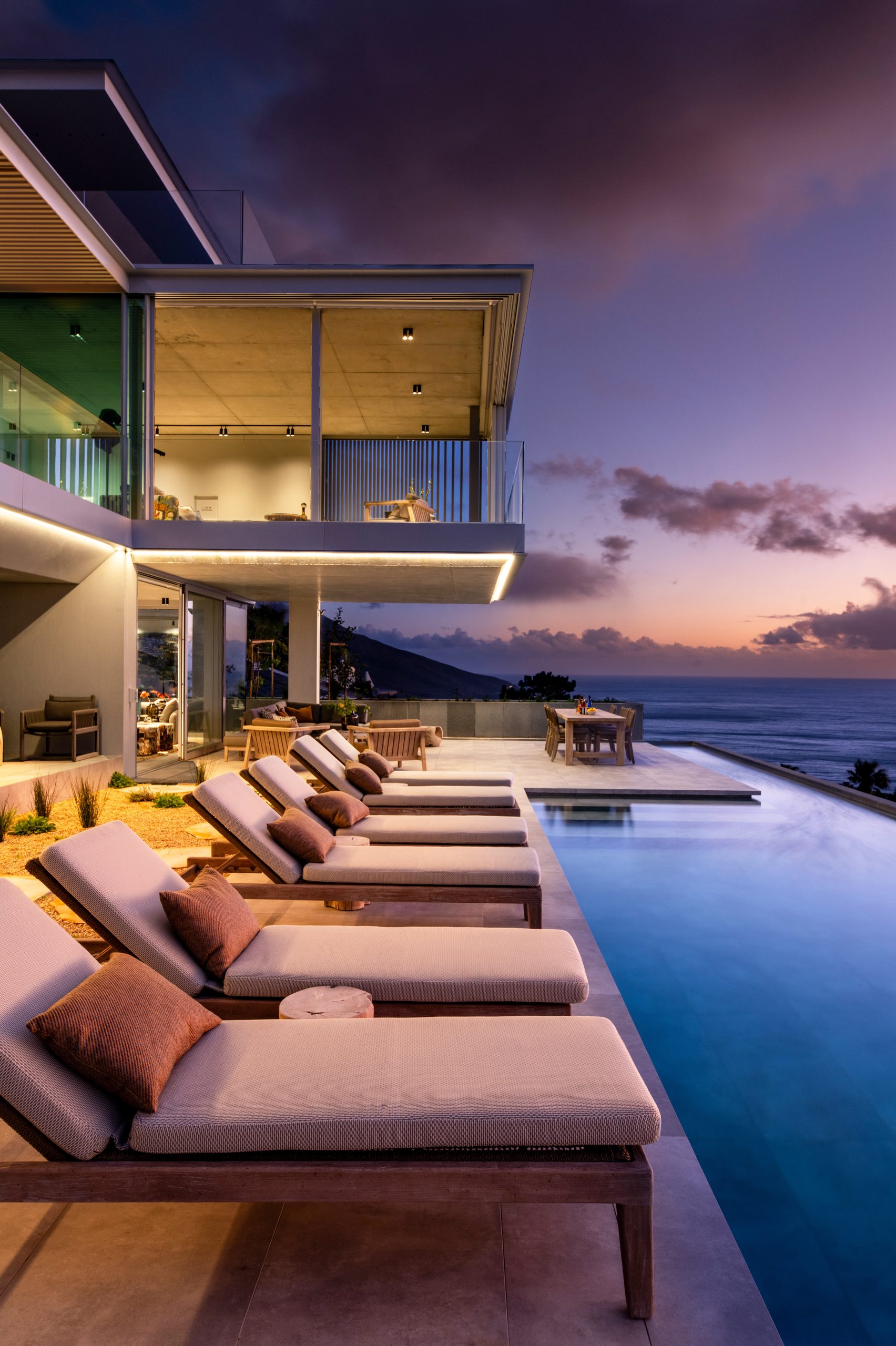
At An African Story, though, much of the summer happens at home. “In summer, without a doubt, the swimming pools become the heart and soul of the house,” Simon says. There are three, all private, and in the evening they glow in soft blue light. Guests swim from early morning until long after sunset. Some of the American guests have chosen to sleep out on the pool loungers beneath the stars, simply because they didn’t want to go indoors. The plunge pool in the Owner’s Penthouse has a waterfall that guests love so much they ask for it to run all day and night.
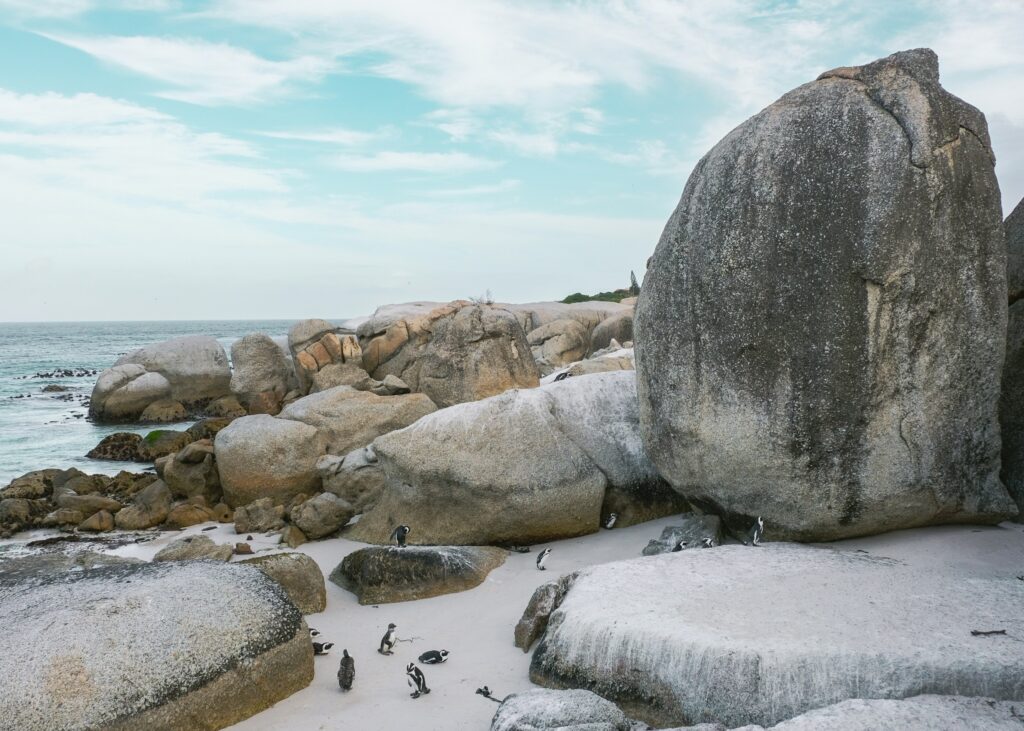
At Welgelegen, the summer rhythm is bright, breezy and open-air. After a day on the Peninsula or in the Winelands, guests unwind in the courtyard garden with a cold glass of local wine, or in the shaded corners of the house before heading out to dinner. And for those who want the ocean itself, Memory has one packing tip: bring swimwear. The Penguin Colony at Boulders is a place where you can swim alongside the penguins.
Where to Eat, Where to Linger
In winter, Ayanda calls Kloof Street a village. In summer, it is a runway. “On a summer evening, Kloof Street transforms into an electric, vibrant artery filled with life, outdoor dining, and a wonderful buzz,” he says. He is sending guests right now to Thali for tapas, Our Local for a relaxed daytime bite and Kloof Street House for that quintessential, enchanting summer dinner atmosphere.
A wave of new openings has arrived around Welgelegen. Ramenhead Izakaya, now at 75 Kloof Street, is Ayanda’s pick for guests craving an energetic, authentic Japanese noodle bar after a late-afternoon walk. Lucky Lou is the one for a social evening with friends, drinks and casual sharing plates. Briquette, the rooftop braai at BlackBrick, gives you a classic South African braai with views over the city skyline. How’s Your Yaki, on Scott Street, is for foodies who want flavourful yakitori in an intimate neighbourhood setting. And Mzoli’s, now on Dunkley Square, is for those who want vibrant local dining and social energy.
On the Atlantic side, Simon regularly sends guests to Balducci and Óra in Sea Point, Chef’s Warehouse at Tintswalo Atlantic, Harbour House in Camps Bay and The Attic by Bovine. “We always try to match our recommendations to the guests’ preferences,” he says, “because dining is such an important part of the Cape Town experience.” New this season is Shale at the Cape Town EDITION hotel at the V&A, open as of 27 October 2026. For a longer day, Little Fox at Constantia Nek and Basson & Co in Stellenbosch are worth the drive, and La Bonté at Neethlingshof opens in November.
Beyond the City
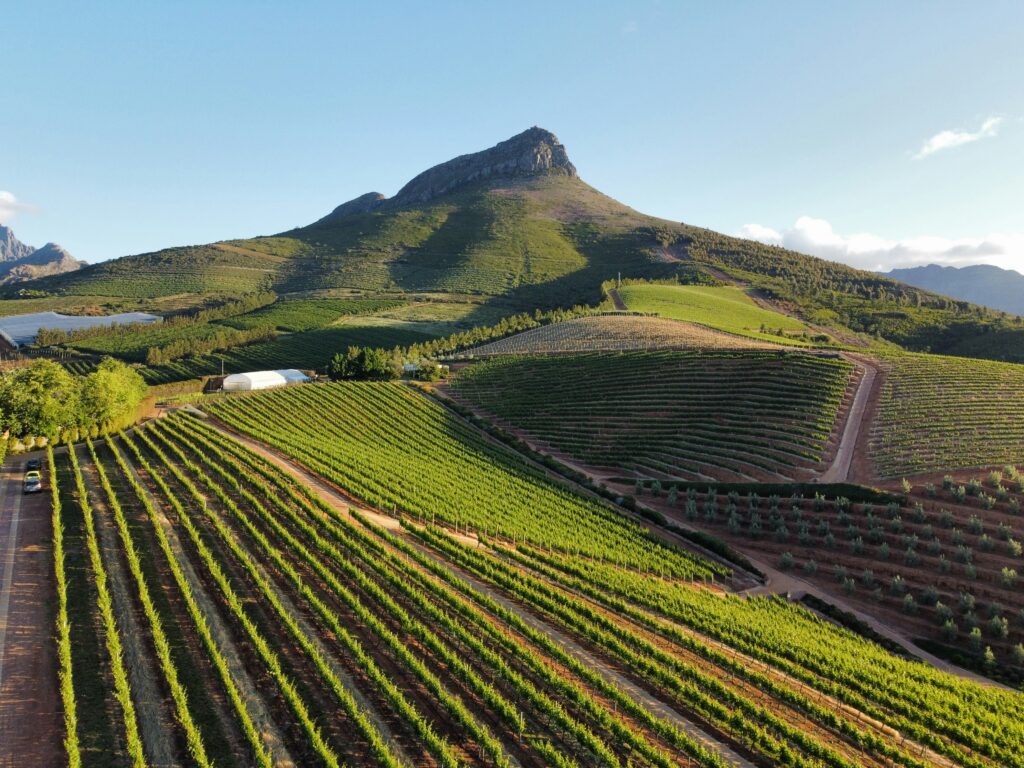
Ask Memory and Simon which of our journeys summer guests love most and the answer is the same. The Cape Peninsula Tour is especially spectacular in summer, “when the skies are clear, the ocean is beautifully blue, and the coastal scenery is at its most dramatic.” The Cape Winelands Tour is its equal, for long, sunlit afternoons of food and tasting in Stellenbosch and Franschhoek. Memory counts the Township Tour with Mama Rachel among the best summer experiences, a rich, immersive cultural connection and vibrant community energy.
Farther along the coast, Hermanus makes an ideal scenic getaway, with its dramatic cliffs. And for those who want the city itself, there is the Cape City Tour.
Midnight on the Terrace
New Year’s Eve is one of Simon’s favourite nights of the year. While the city is crowded, the restaurants are fully booked and the roads are congested, guests at An African Story celebrate in complete privacy. Some order in their favourite meals. Others arrange a private chef for a special dinner. The terraces are set for the evening.
“Then comes the magical part,” Simon says. As midnight approaches, everyone gathers on the terrace and watches fireworks light up different parts of the Atlantic Seaboard. “There is something unforgettable about welcoming a new year with the ocean stretching out before you, the city celebrating below, and the people you love gathered around you.”
At Welgelegen, Ayanda describes the festive season as warm, joyful and wonderfully festive, a house full of international travellers and holidaymakers, Cape summer energy blended with signature hospitality.
The Table Is Long
Simon has a summer story he returns to. Every year, one couple comes back to An African Story for a whole month between January and February. Once a week they go shopping for groceries and ingredients, then invite the staff to join them in the kitchen. Everyone cooks. Ideas are shared, laughter goes round, and when the meal is ready they all sit down to eat together.
What began as a simple gesture has become part of the house’s culture each January and February. The staff look forward to the couple’s return every year, he says, “not simply because they are returning guests, but because they have become part of our extended family.”
Ayanda has seen the same thing in the city bowl: international guests who arrive feeling like tourists and leave feeling like locals, joining the team for an impromptu sunset chat in the courtyard and promising to return next summer.
“Beautiful rooms, spectacular views, and luxury facilities are important, of course,” Simon says. “But what guests often remember most are the relationships they build.”
Plan Ahead, Then Let Go
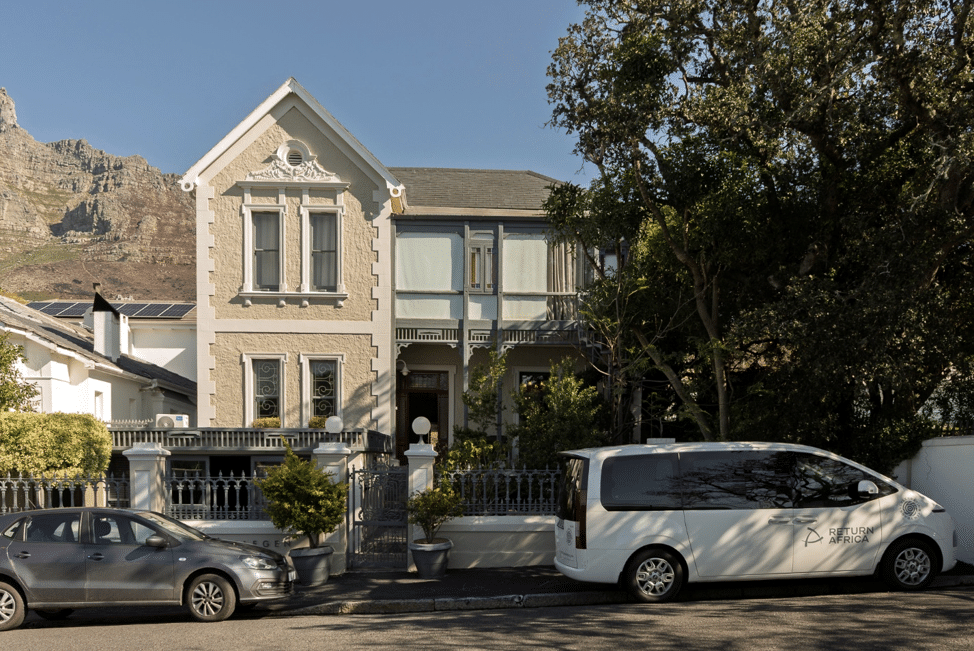
There is still room to be spontaneous, Memory says, and some activities can be arranged on arrival. But for the experiences and restaurants you really don’t want to miss, book ahead, so you can relax and make the most of your stay.
December and January are the busiest months of the year. Book your room, tours, airport transfers, restaurant tables and the Table Mountain cableway early at least a month of two in advice to avoid disappointment.
For getting around, Memory recommends Uber Black or Uber Comfort, especially at night for added comfort. Arrange your airport transfer before you land, and leave the car at home on the Camps Bay strip.
Before You Go
High season runs from September to March, with the busiest weeks in December and January and April a lovely, calmer surprise. Sunsets arrive between 20h00 and 21h00 in midsummer. Days are warm and dry, with the south-easter often blowing in the afternoon, so pack sunscreen, swimwear and layers for the evening breeze.
Welgelegen House sits in Gardens, at the foot of Table Mountain and a short walk from Kloof Street. An African Story sits on the slopes above Camps Bay, facing the Atlantic and the sunsets.
The city draws guests from the UK, the United States, the Gulf and across Europe, and from across Southern Africa too. Whatever route brings you here, the advice is the same: plan the anchors, leave room for the rest.
Memory has a short letter for anyone about to book. “Summer is a wonderful time to visit Cape Town, with beautiful beaches, breathtaking scenery and so much to explore,” she says. Our team would be delighted to help you plan your experiences, from the Cape Peninsula and Winelands to Table Mountain and the city beyond.
Come and see.
Stay at Welgelegen House in Gardens, or An African Story in Camps Bay, and let our team take care of the rest, from airport transfers to days on the Peninsula and in the Winelands. Contact us to begin planning your stay.
RETURN to what matters.
Frequently Asked Questions
When is high season in Cape Town?
High season runs from September to March, with the very busiest weeks in December and January. April is still a warm, calmer and lovely time to visit.
What is Cape Town like in December and January?
Vibrant and busy. Camps Bay in particular feels like a big international celebration, especially over Christmas and New Year. Book your room, tours, transfers and restaurants well in advance.
Do I need to book restaurants and activities ahead in summer?
For the ones you don’t want to miss, yes. There is still room to be spontaneous, and some activities can be arranged on arrival, but securing the important ones early lets you relax once you arrive.
What time is sunset in Cape Town in summer?
Generally between 20h00 and 21h00 in midsummer. At An African Story in Camps Bay, guests start gathering on the terraces around 18h30.
What is the south-easter and how do I plan around it?
The south-easter, or Cape Doctor, is Cape Town’s summer wind. It clears the skies but can blow fiercely in the afternoon. Do outdoor activities in the morning, and head for sheltered spots such as Boulders, Clifton 4th or the Winelands valleys when it picks up.
What is the best time to hike Table Mountain or Lion’s Head in summer?
Early morning at sunrise or late afternoon before sunset. Take plenty of water, and check the wind forecast before relying on the Table Mountain Aerial Cableway.
What is the best way to get around Cape Town in peak season?
Uber Black or Uber Comfort, especially at night. Avoid driving down to the Camps Bay beachfront in December and January, and pre-book your airport transfer.
What should I pack for a Cape Town summer?
Sunscreen, and swimwear if you want to swim with the penguins at the Penguin Colony on the Peninsula tour.