To journey to Pafuri is to RETURN to something ancient, untouched, and profoundly alive.
Nestled in the northernmost corner of Kruger National Park, where the Limpopo and Luvuvhu Rivers meet, this is the heart of RETURN Africa, the place where our story began, in partnership with the Makuleke people, whose ancestral land breathes life into every experience.
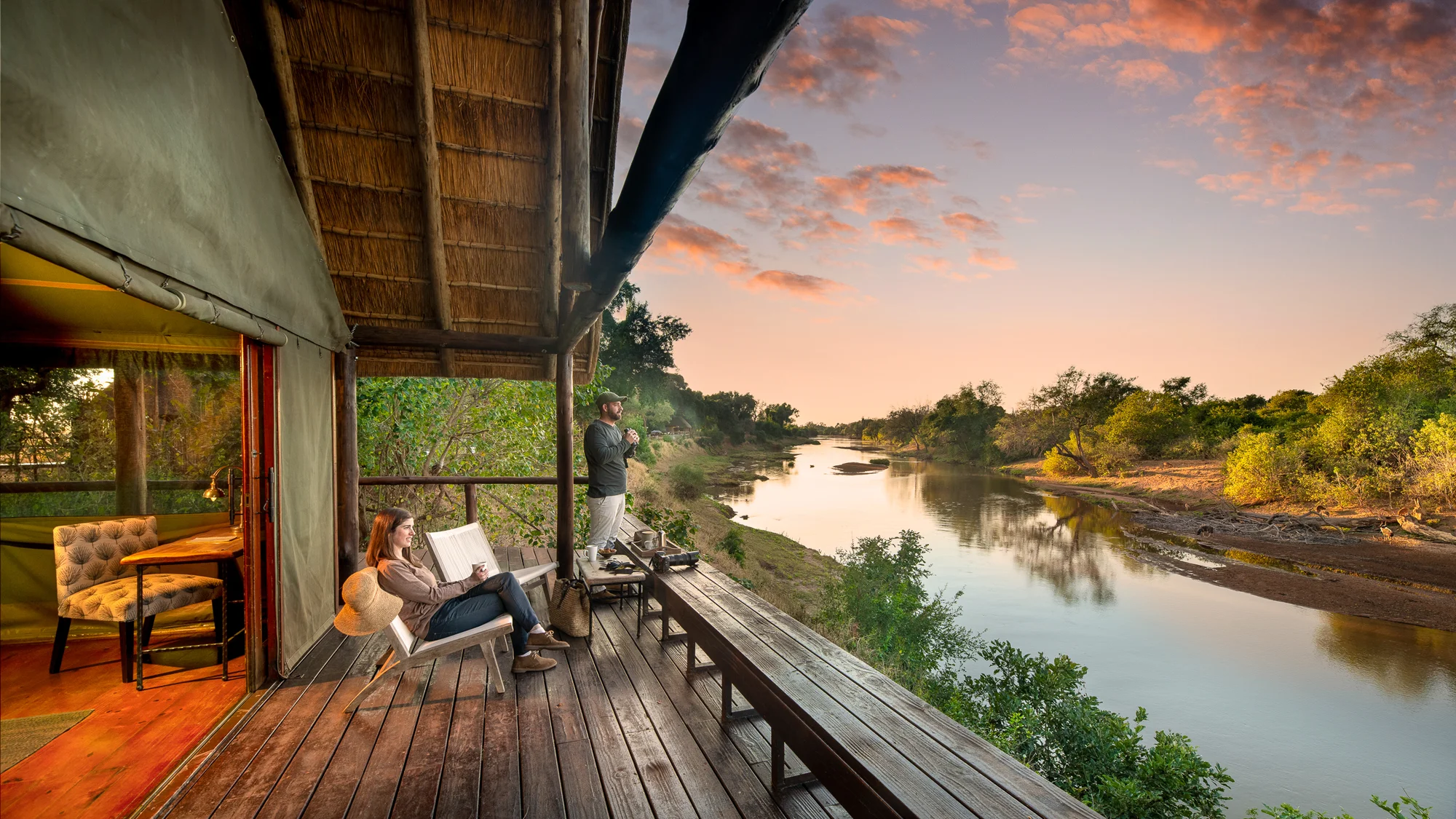
Here, time stretches and the rhythm slows. Elephants move with quiet purpose, leopards slip through dusk shadows, and fever trees shimmer gold. We meet each moment with reverence, guided by patience, humility, and respect for land and life.
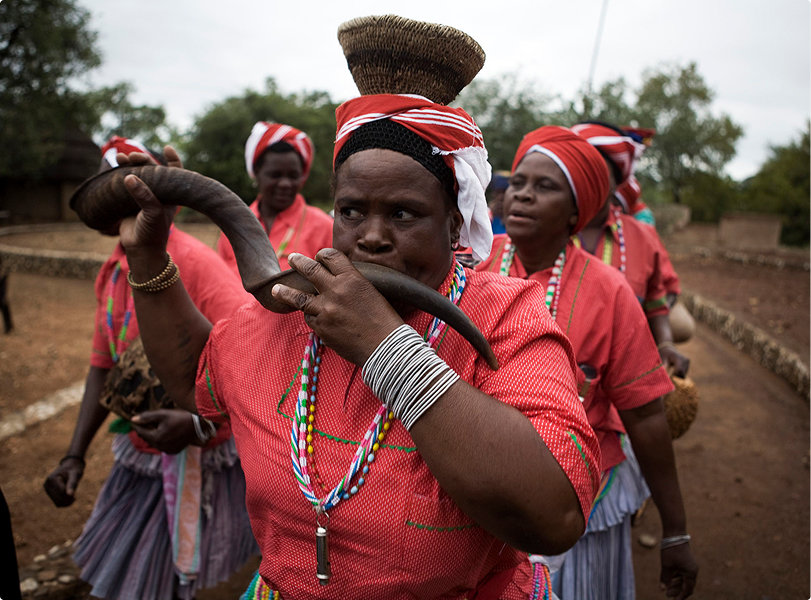
The Pafuri Collection is more than lodges; it is a living collaboration. Our nearly 30-year partnership with the Makuleke is rooted in trust, vision, and restoration. Since reclaiming their land in 1998, the Makuleke have championed a community-owned conservation model where culture and ecology thrive together.
Our commitment is simple: to tread lightly on the land and walk proudly with its people. Every stay supports sustainable jobs, community development, and a future where wilderness and heritage endure.
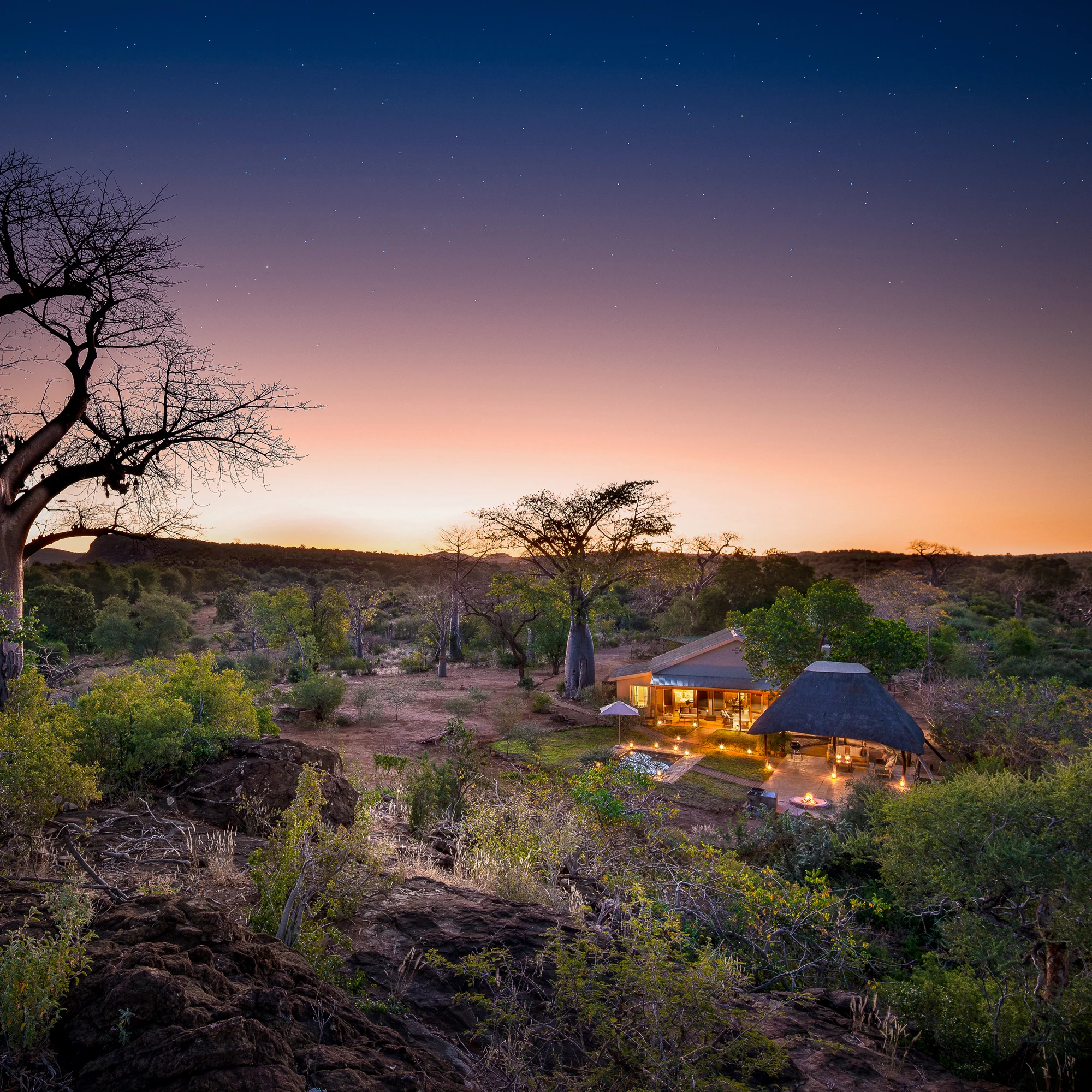
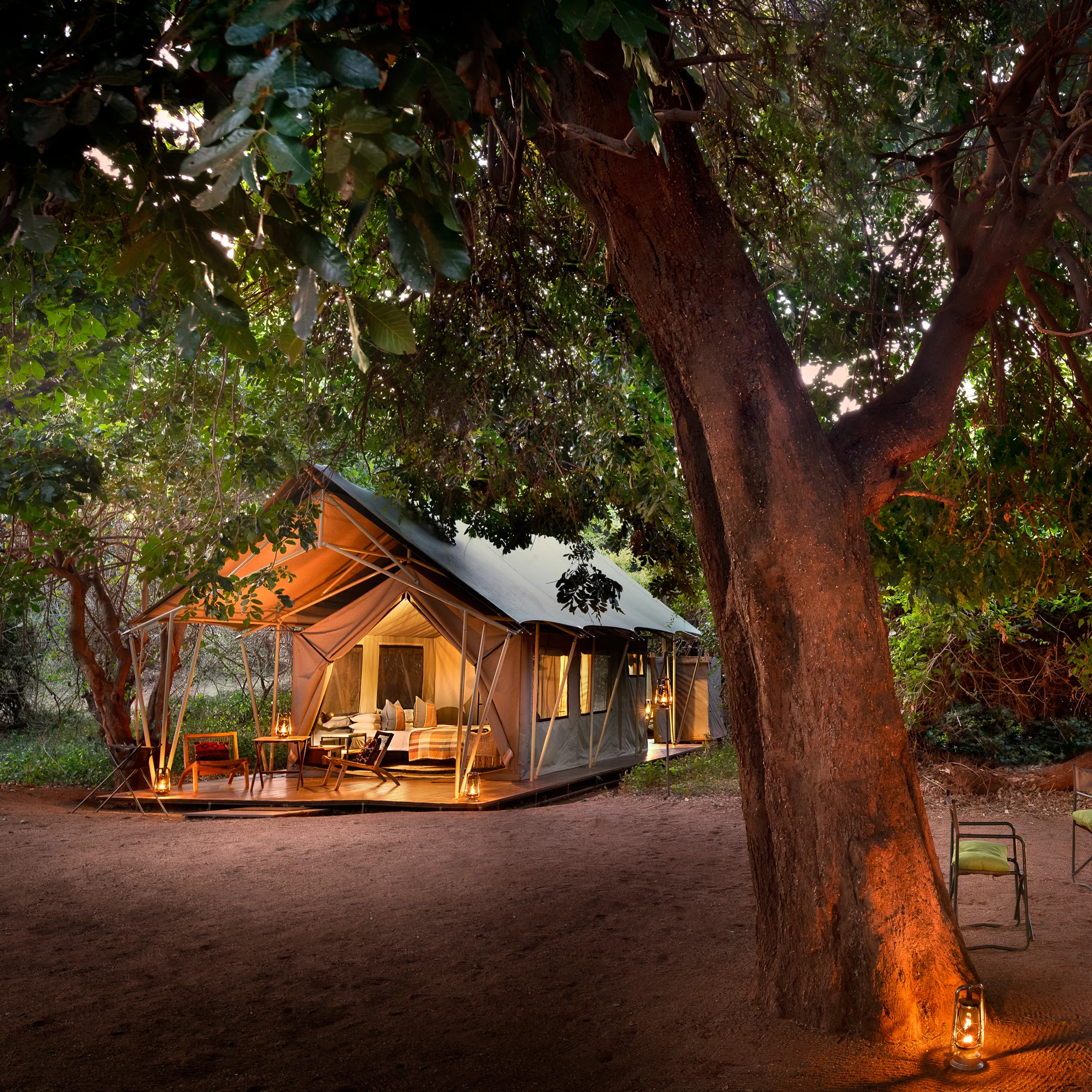
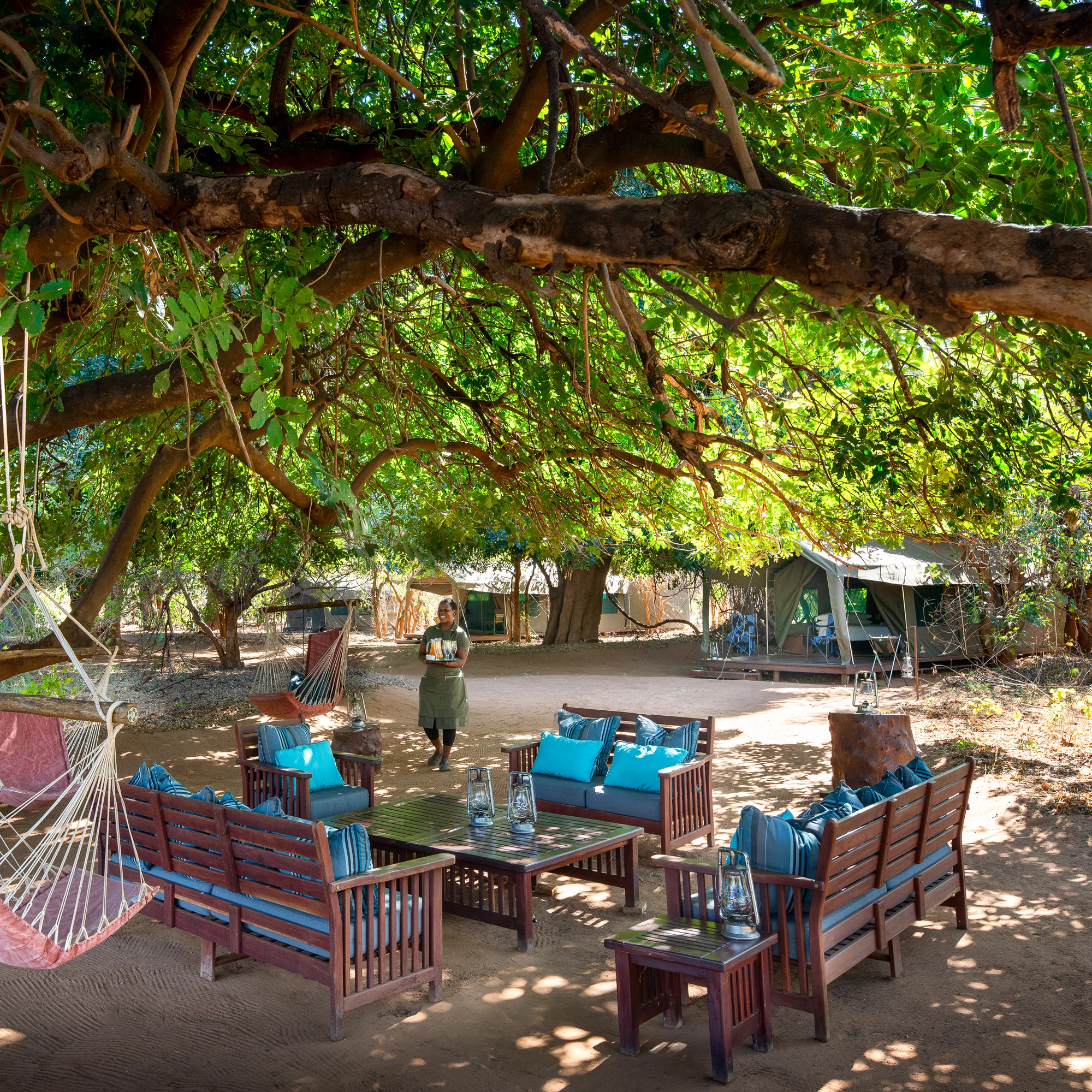
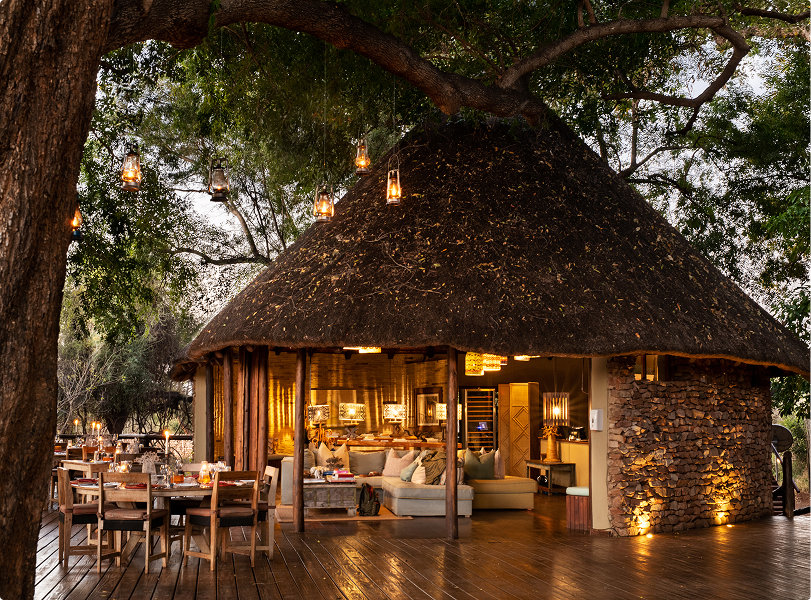
At Pafuri Camp, Baobab Hill House, or our seasonal walking camps, Hutwini and Nkula, you don’t just witness the wild.
You become part of its story, a RETURN to purpose, to belonging, and to the soul of southern Africa.
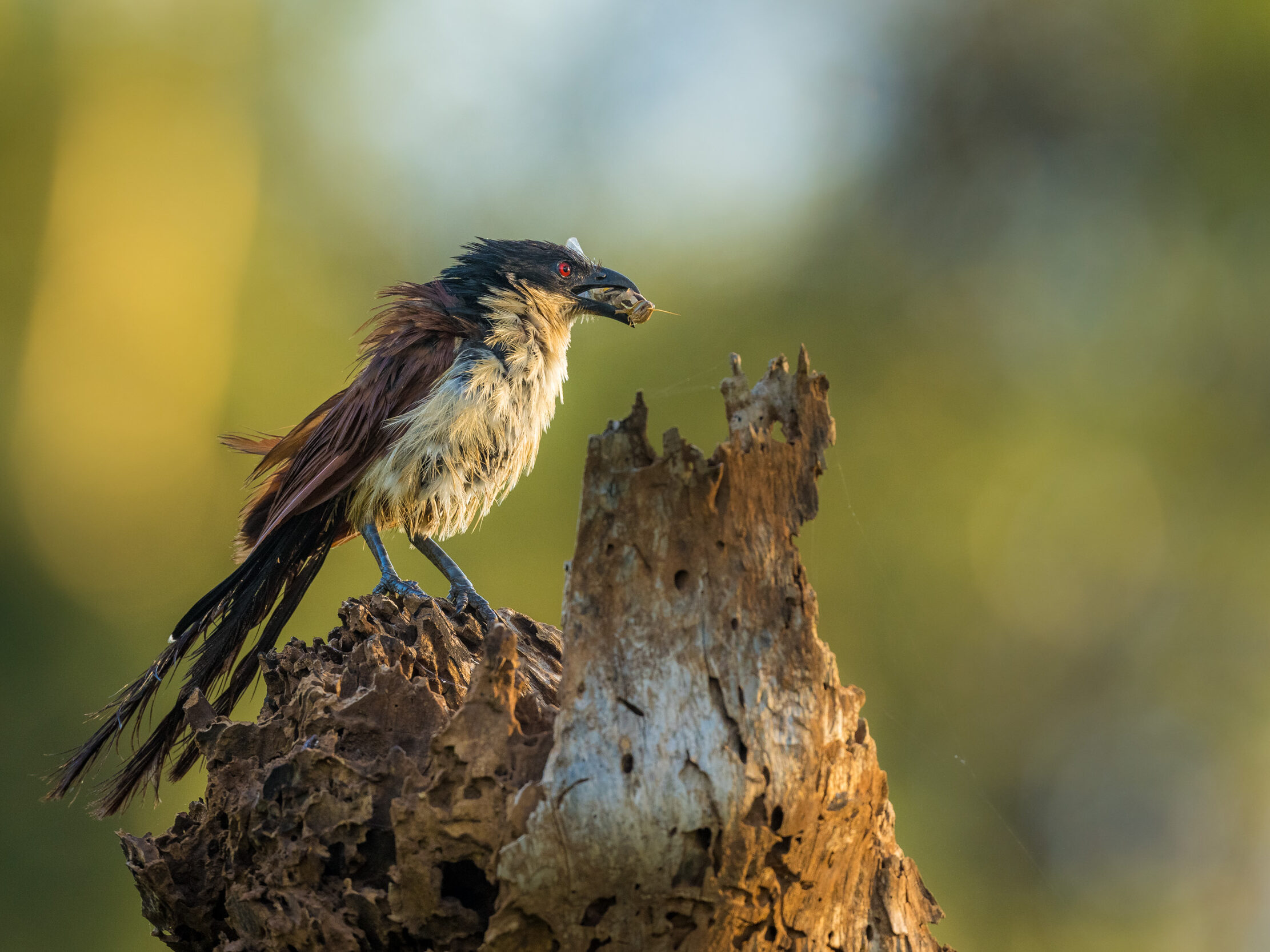
Pafuri is a true sanctuary at Kruger’s northern edge, in the Makuleke Contract Park, a place where wilderness still reigns. From lush forests to open savannas, it is alive with birdsong, movement, and meaning. With over 450 bird species, it becomes a living classroom for the curious, a sanctuary of wings and song.
Here, nature is not something to conquer, but something to RETURN to, with reverence, with belonging, with the quiet rhythm of the wild.
Book online
Galleries


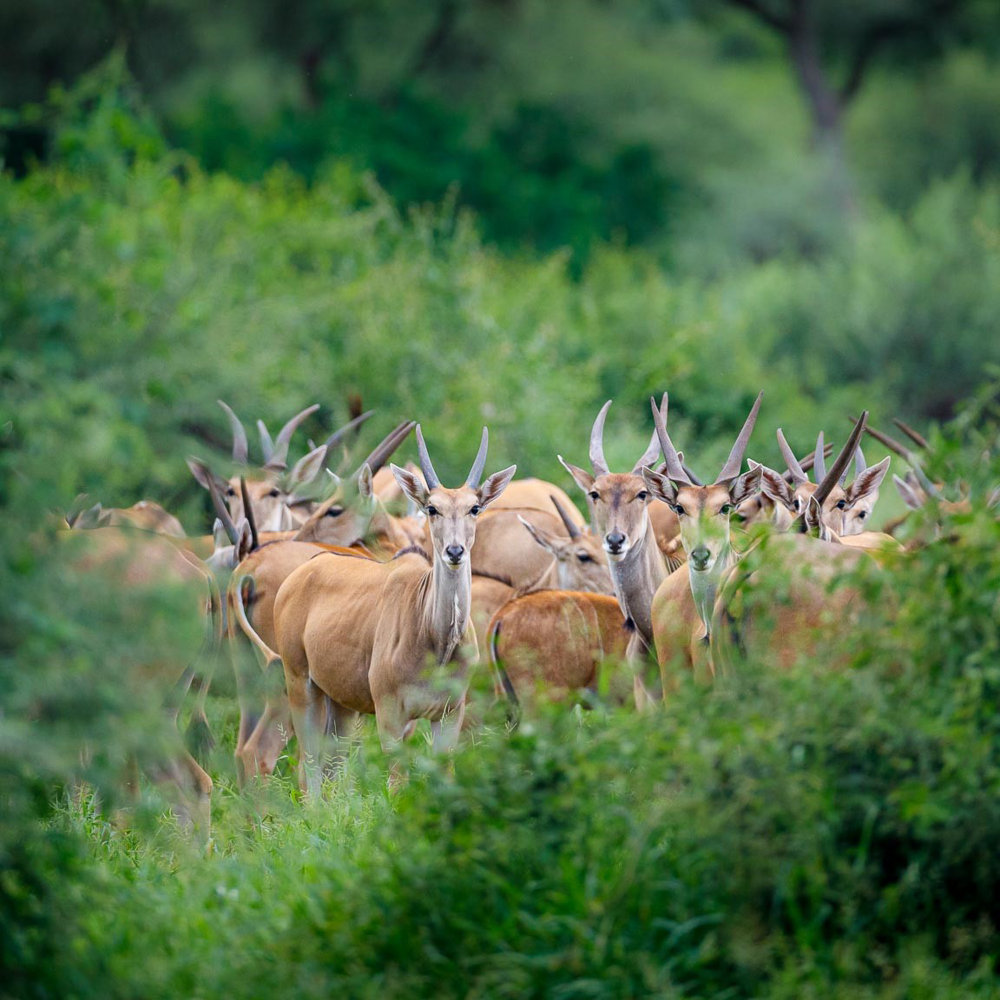
Diverse wildlife
Our 26,500-hectare concession in northern Kruger is a living tapestry, shifting with the seasons and alive with rhythm. Along the rivers, pods of hippos wallow, crocodiles patrol in silence, and birdlife gathers in extraordinary abundance. The valleys hold the park’s highest densities of nyala and eland, while great herds of elephant and buffalo drift through when conditions allow.
Morning safaris reveal the pulse of Pafuri, impala, kudu, zebra, wildebeest, baboons, warthogs and more. Rarer sightings, like Sharpe’s grysbok or the yellow-spotted rock hyrax, remind us how unique this place is. After dark, night drives uncover the magic of the nocturnal world: leopard, hyena, bushpig, honey badger, genet, civet, and even the elusive African wild cat. And sometimes, lion, cheetah, or wild dog pass through, a reminder that in Pafuri, the wild is always possible.
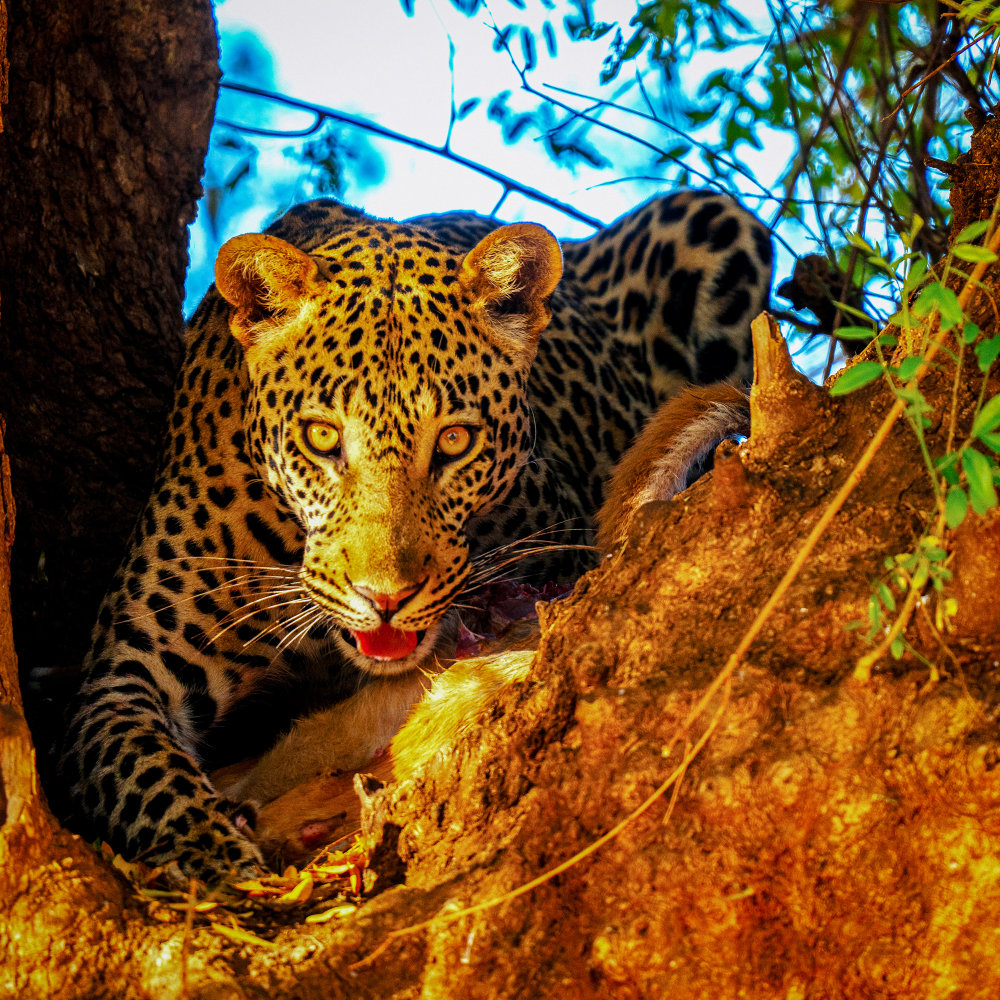
Big predators
Pafuri is a place where predator drama plays out as it has for millennia. Leopards roam the riverbanks and rocky hills, their calls rasping through the night. Great crocodiles bask on sunlit sandbanks or scavenge under moonlight. But it’s the spotted hyena, totem of the Makuleke, who dominates the floodplains. Visit a den at dusk and witness the fierce intelligence and complex social life of these misunderstood animals. You’ll almost certainly hear their calls in the dark, a haunting chorus that ties us to ancient Africa. Lions, cheetahs, and wild dogs come and go, but the rivalry among these apex predators is timeless and thrilling to witness.
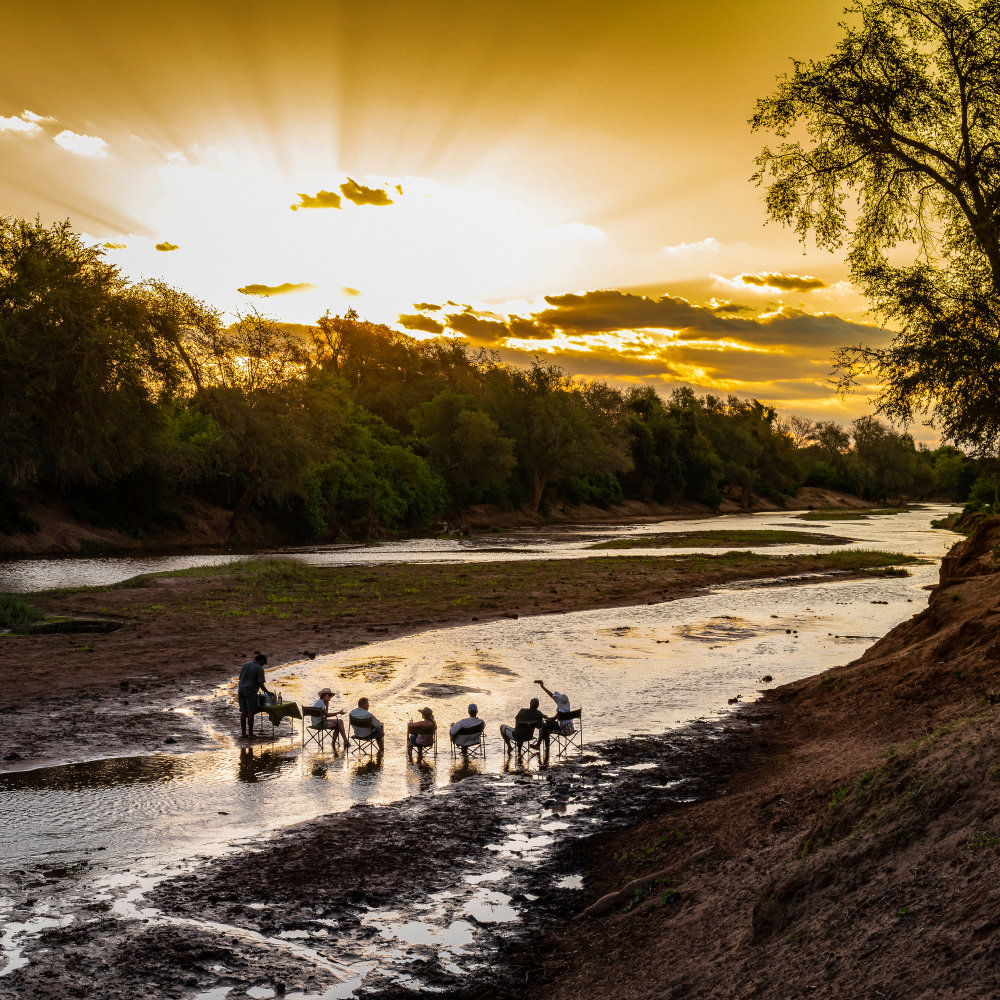
Great rivers
Pafuri lies between two great rivers, the ancient Limpopo to the north and east, and the youthful, energetic Luvuvhu to the south. The Limpopo, mostly dry today, has shaped this land for millions of years. The Luvuvhu, still carving its way through sandstone, creates the dramatic Lanner Gorge and nourishes lush floodplains around our camps. Together, they embrace a landscape of extraordinary diversity: gorges, pans, forests, grasslands and groves of ancient trees. These rivers are more than boundaries, they are lifeblood, flowing through every story, every season, every life here.
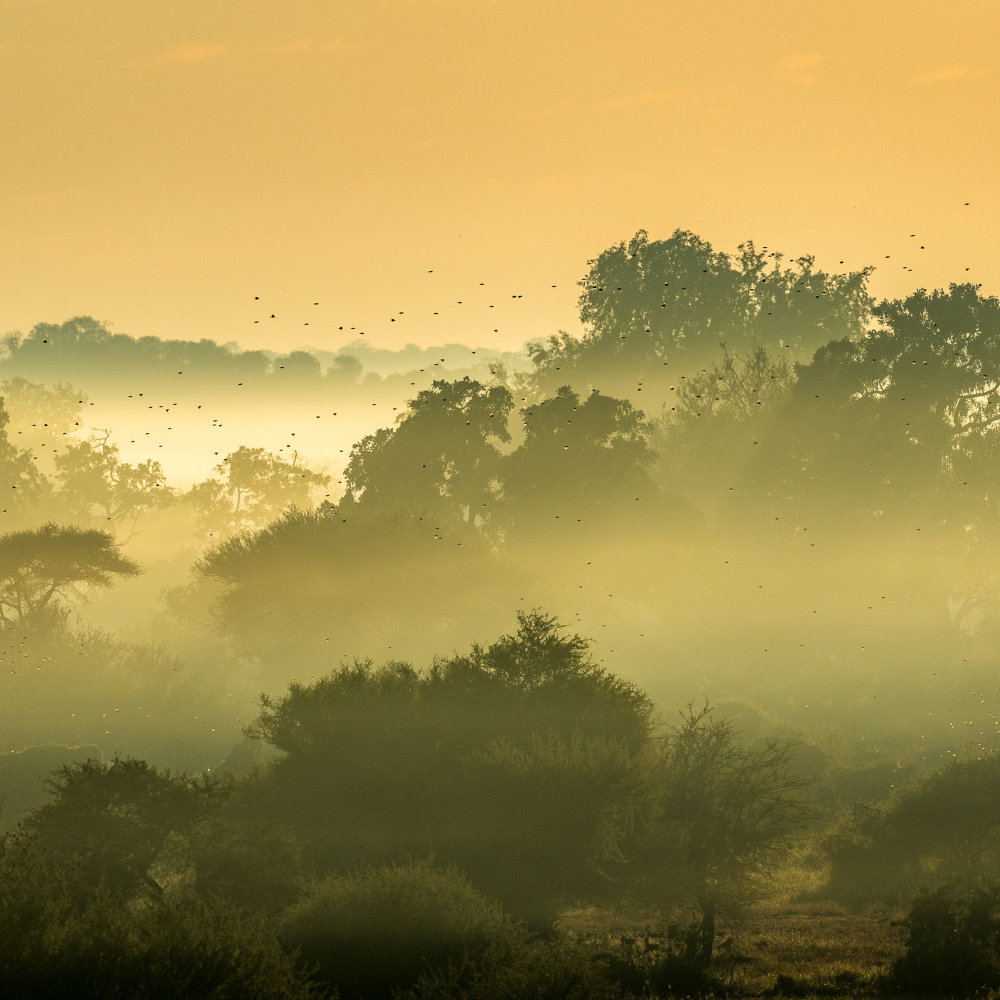
Human history
This landscape carries memory in every fold and stone. Here, early humans left traces of their lives; trade routes once connected this land to the Indian Ocean and beyond. The ruins of Thulamela speak of a time when African kings ruled and traded gold, glass and porcelain with the world. In more recent history, traders and rogues crossed paths at places like Crooks Corner. And then there is the story of the Makuleke people, evicted in 1969, returned in 1998, who transformed their ancestral land into a model of community-based conservation. Many of our staff are their descendants; their connection to this place runs generations deep. Ask them and they’ll tell you stories you’ll never forget.
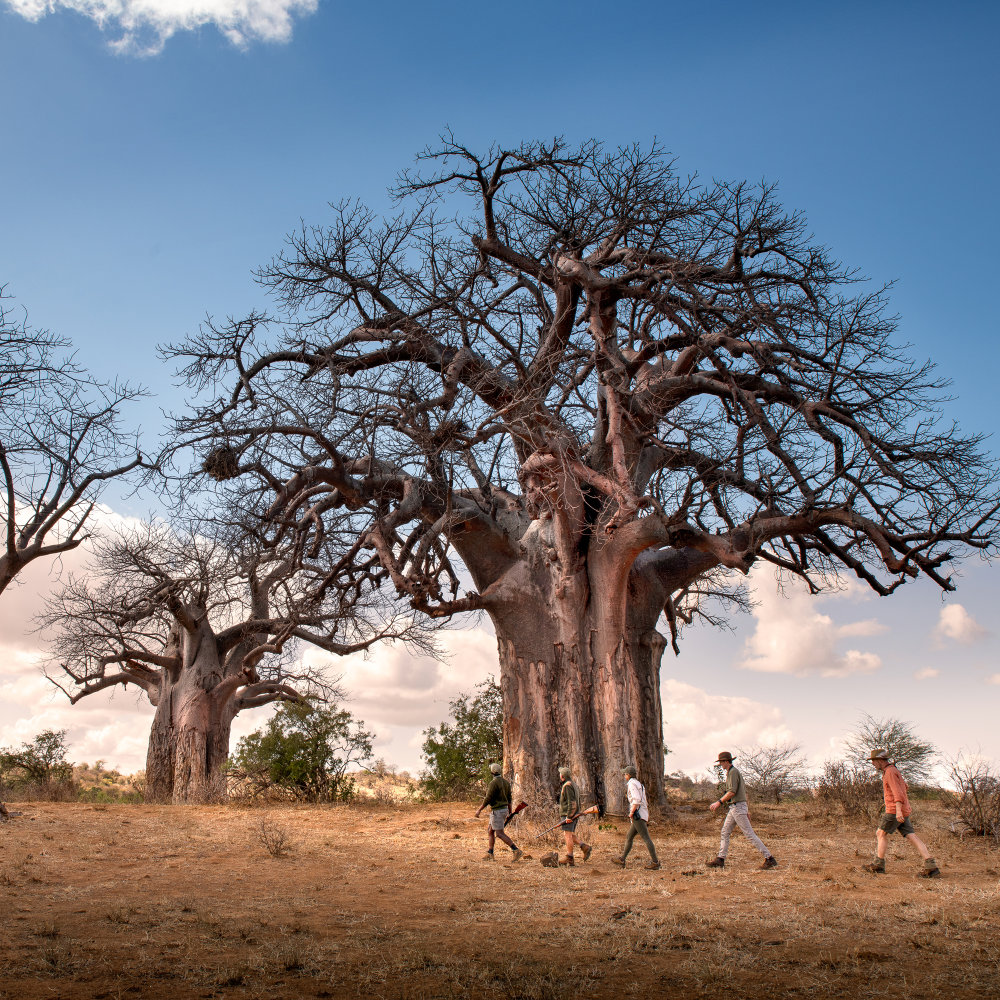
Exploring on foot
There’s no better way to understand Pafuri than by walking it. This is South Africa’s premier bush walking destination, and with good reason. On foot, you see more, feel more, hear more. You move with the rhythms of the wild, tuning into tracks, textures, scents and signs. You may find yourself standing quietly beneath a baobab, watching elephants pass. Or you may uncover the remnants of ancient settlements, feel your heartbeat race in the presence of buffalo, or simply breathe in the silence. Walking here isn’t about the distance, it’s about the depth of experience.
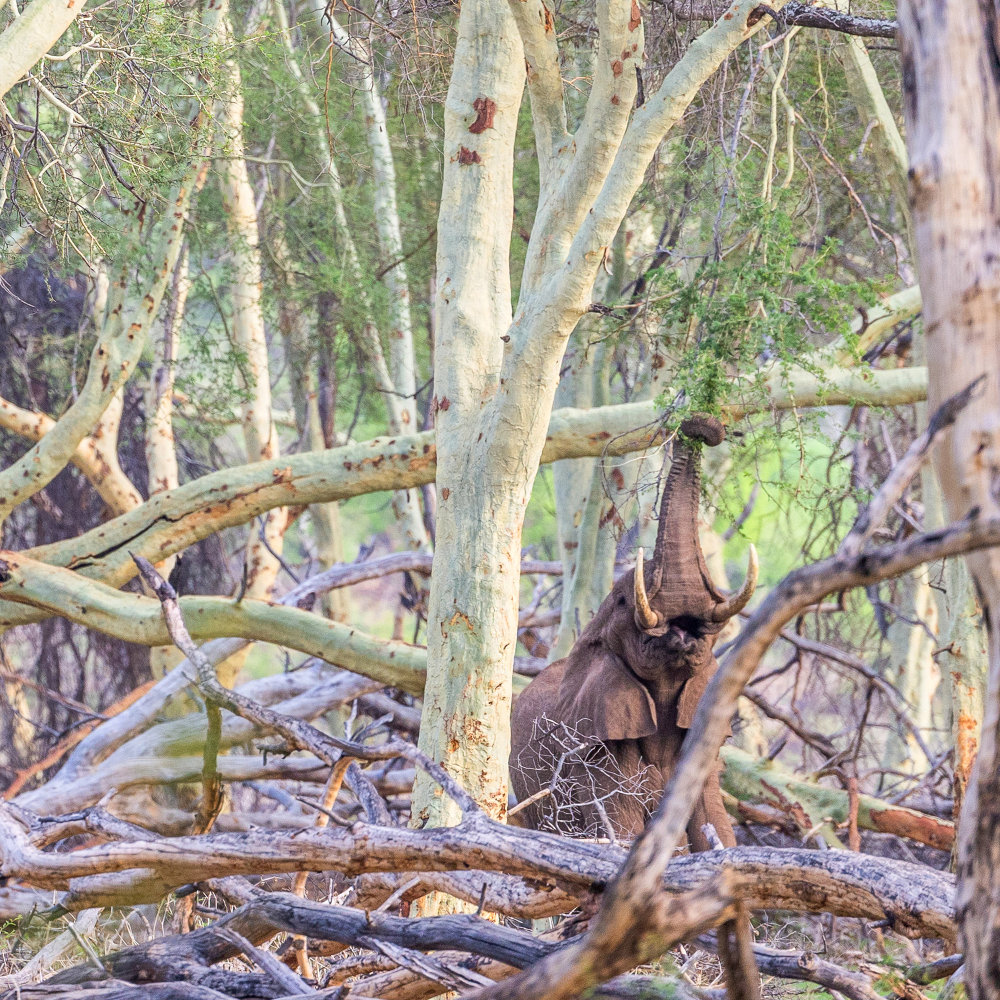
Fever Tree Forest
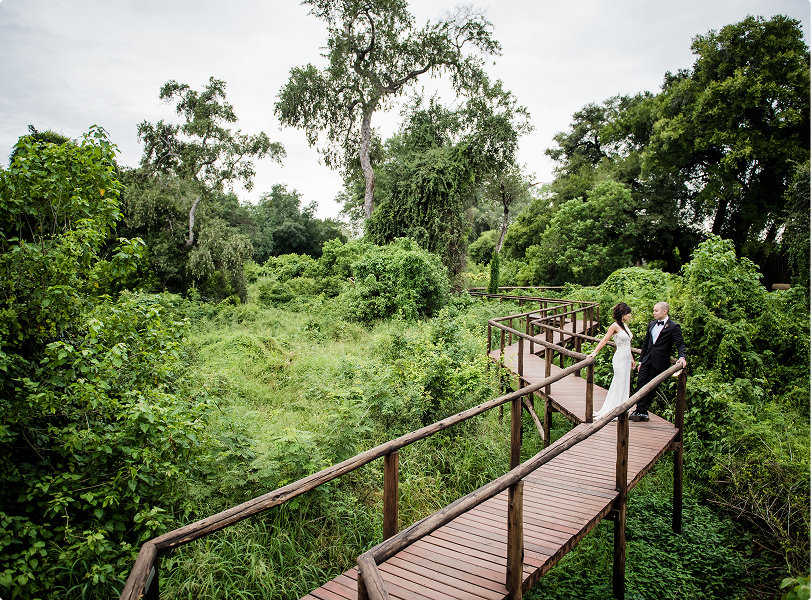
Our concession is home to South Africa’s most majestic stand of fever trees. In the golden light of morning or evening, their pale trunks glow green and yellow, painting a dreamlike scene. Herds of eland drift between the trees. Elephants pass like ghosts. The forest has a cathedral-like hush, perfect for sundowners or even wedding ceremonies. The Makuleke people say the powder from the trunks brings good luck when rubbed on your face. Early settlers thought the trees caused malaria – hence the name. How wrong they were. How lucky we are to know better.
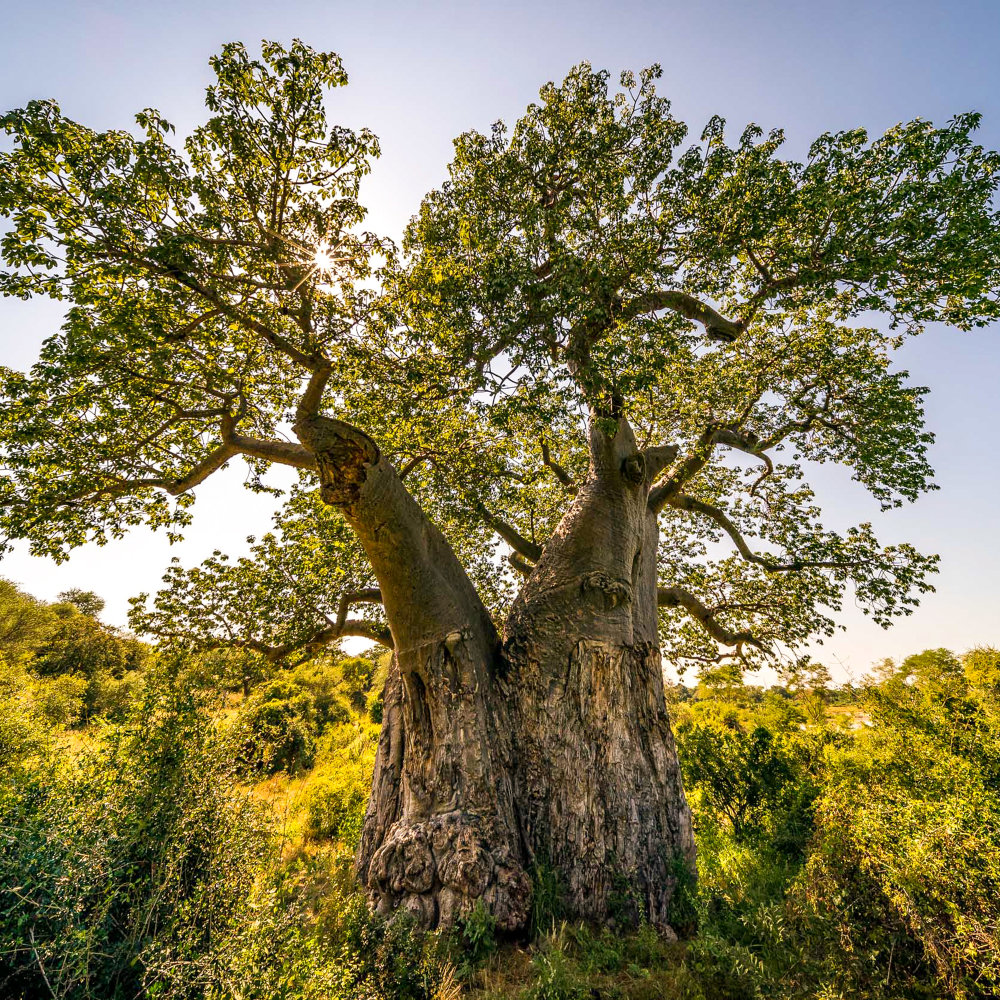
Ancient baobabs
Pafuri is shaped by giants. Its ridges and hills are dotted with baobabs, some more than a thousand years old. They’re storytellers, these trees. They shelter birds and bats, feed elephants, and feature in countless Makuleke traditions and legends. One tree was once home to a sangoma. Another, Deku, anchored the old royal village, its base the meeting place for chiefs and headmen. Visit the Big Baobab and see if you’re brave enough to climb into its embrace. Or simply listen. These trees speak, if you know how to hear.
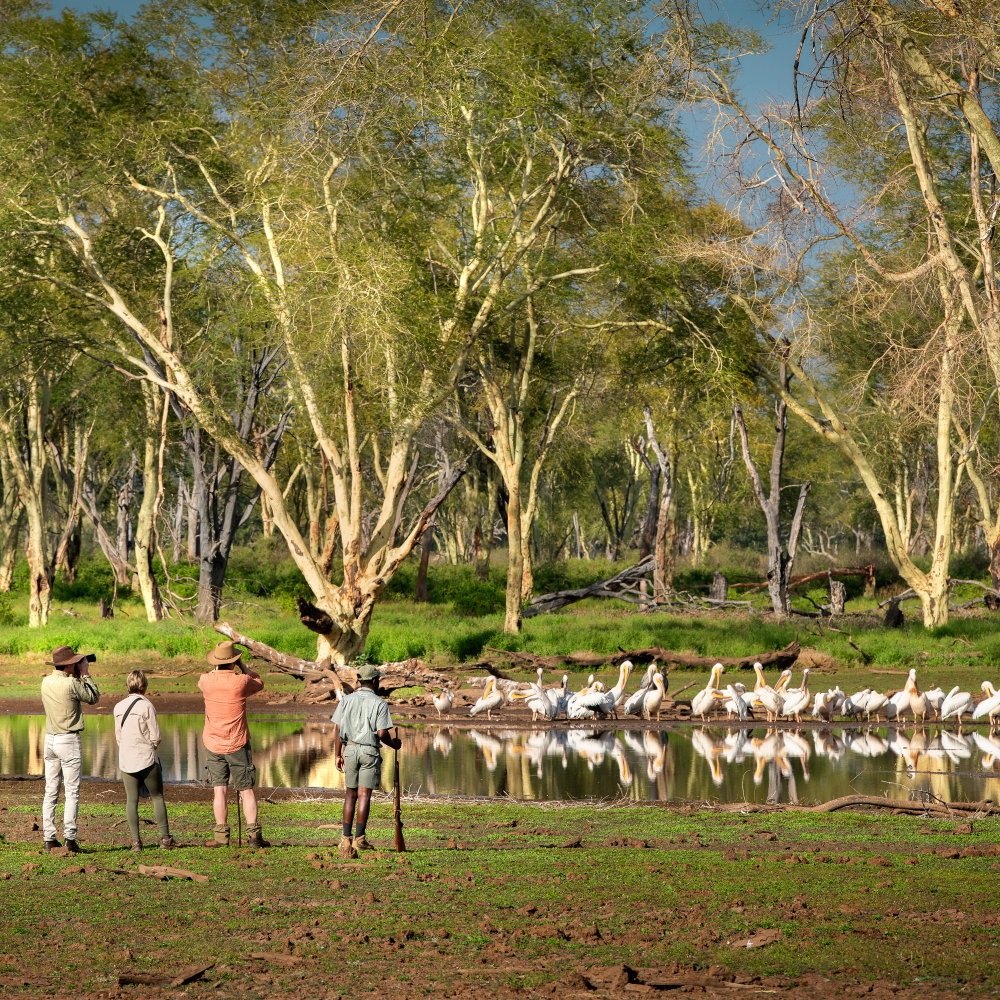
Ramsar wetland
Recognised as South Africa’s first community-owned Ramsar site, our wetlands are internationally important. Fed by the Luvuvhu and Limpopo rivers, and scattered with over 30 pans, these wetlands are vital oases during the dry season and refuges for birds, frogs, fish, and countless other species. They hold water long after the rains stop, drawing wildlife into open view and creating scenes that feel almost prehistoric. These wetlands don’t just support biodiversity, they sustain the entire spirit of Pafuri.
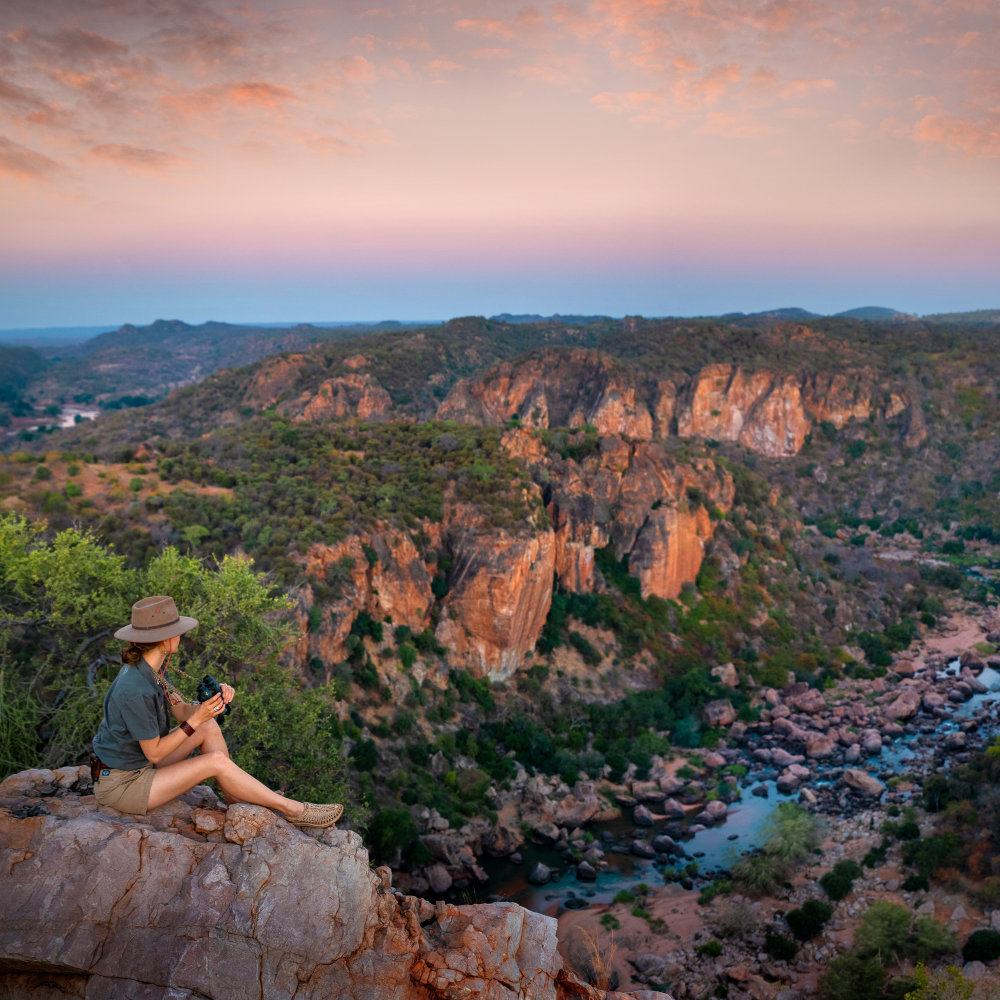
Lanner gorge
Lanner Gorge is a place of grandeur and deep time. Here, the Luvuvhu River has carved a mighty canyon through layers of ancient sandstone. Look closely and you’ll spot Verreaux’s eagles, otters, hippos, falcons, and crocodiles. But it’s not just the view, it’s the story. The gorge’s walls hold a fossil record spanning 250 million years. From the remains of pre-dinosaur reptiles to desert-formed sandstone, the layers speak of fire, flood, extinction, and survival. It is one of the most powerful, humbling places you’ll ever stand.
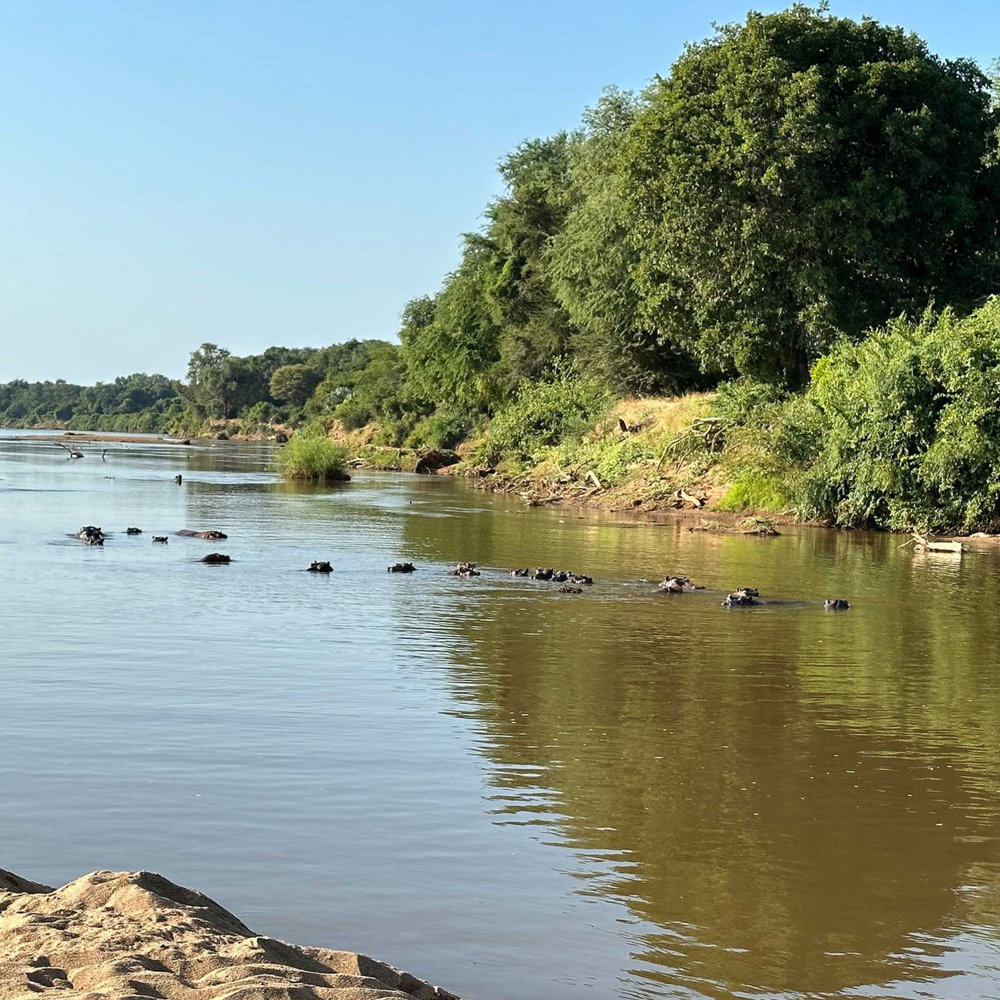
Crooks corner
At the tip of our concession lies Crooks Corner, where South Africa, Mozambique, and Zimbabwe meet. In the early 1900s, this was outlaw territory, a place where poachers, smugglers and fugitives dodged the law by hopping across borders. Today, it’s peaceful again, safe for the hippos and the ever-watchful crocs. But it retains its air of frontier drama and wild history, proof that Pafuri has always drawn those looking to escape, explore, and belong nowhere and everywhere all at once.
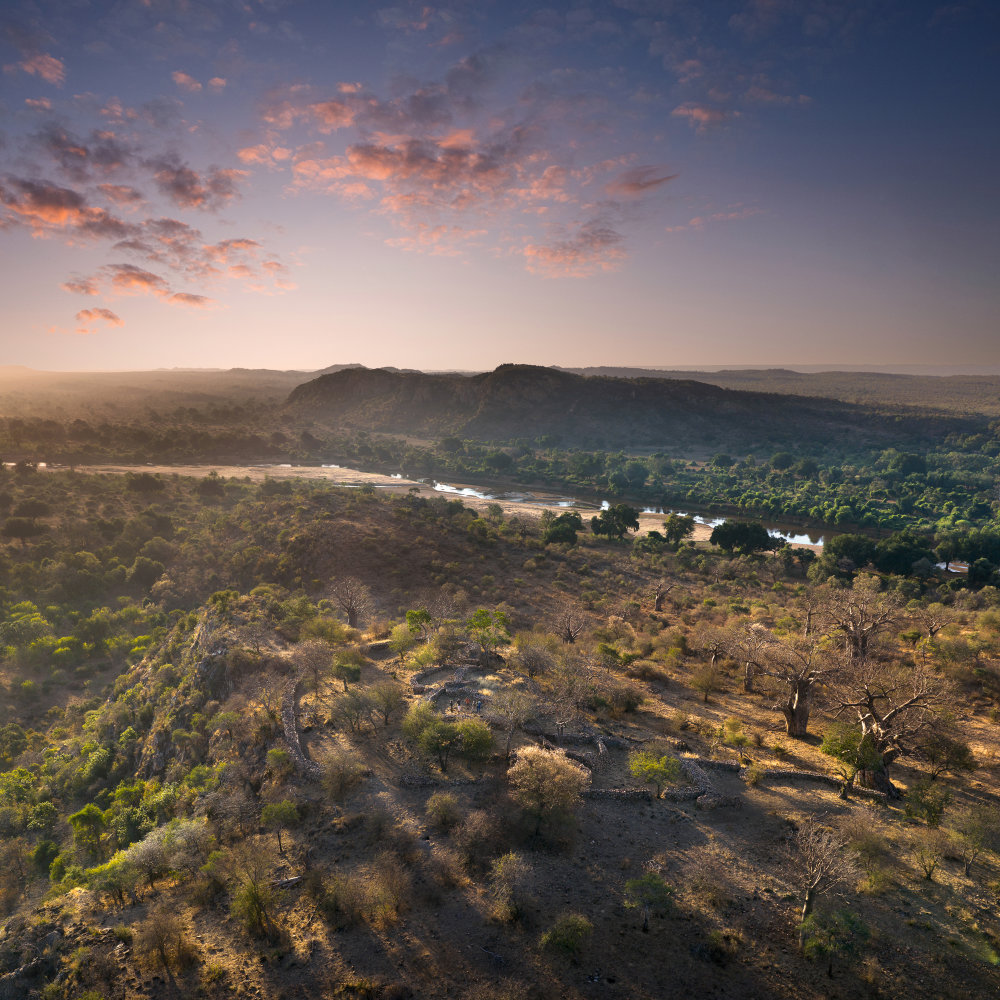
The Citadel of Thulamela
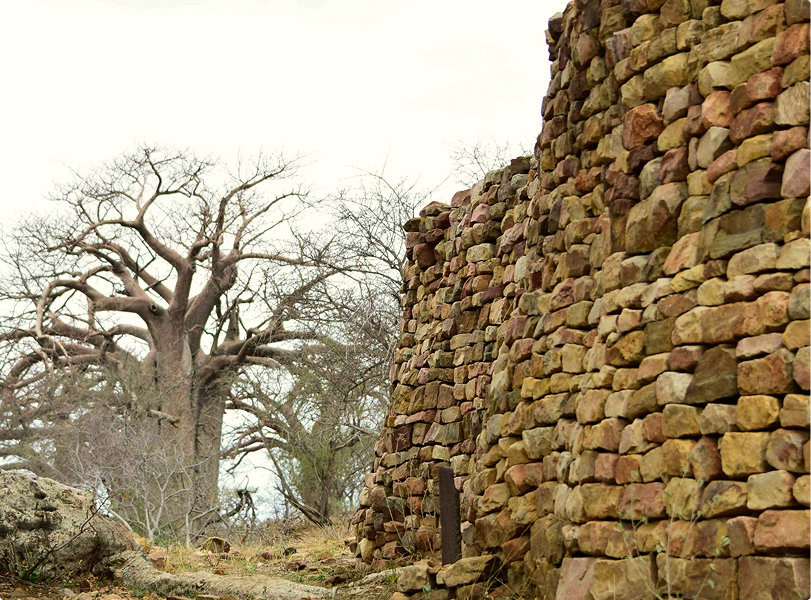
High above the Luvuvhu River, the stone walls of Thulamela whisper of Africa’s golden age. Built in the 13th century and part of the Great Zimbabwe culture, this citadel was a centre of power, craft and international trade for over 500 years. Archaeologists uncovered gold, porcelain, Venetian glass, evidence of connections that spanned continents. Today, the site remains a powerful reminder that Africa was never isolated, it was always connected, always sophisticated, always significant.
Experiences

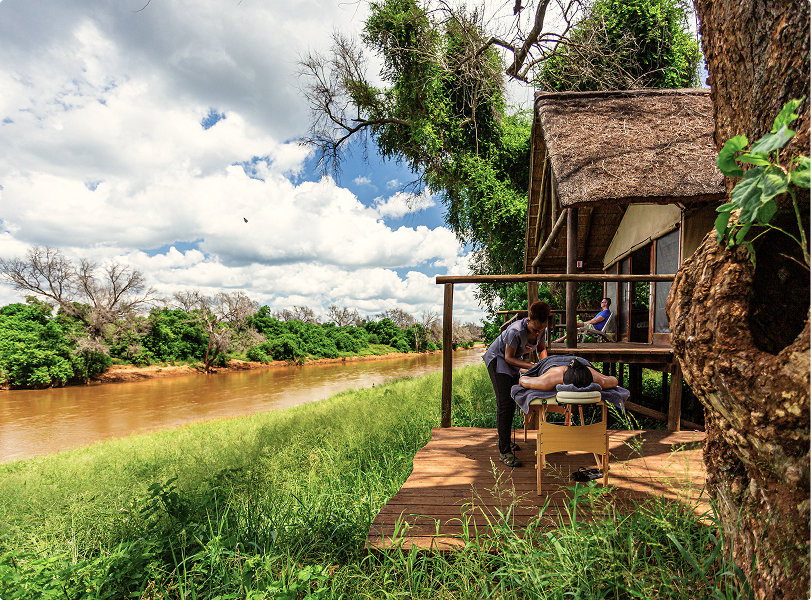
PAFURI COLLECTION
FAQ’s