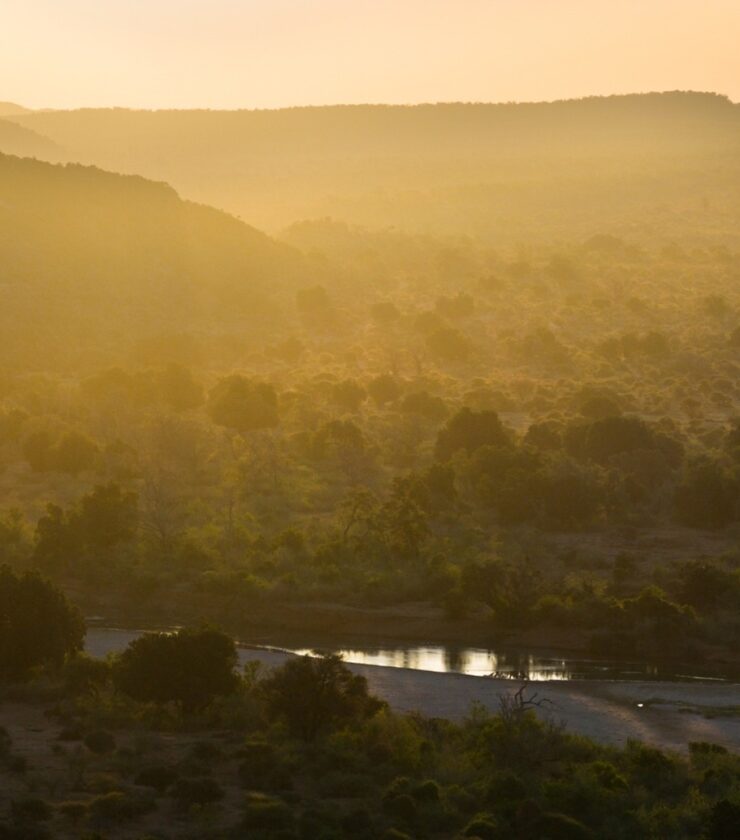
Image courtesy of RETURN Africa
A Journey Rooted in Trust
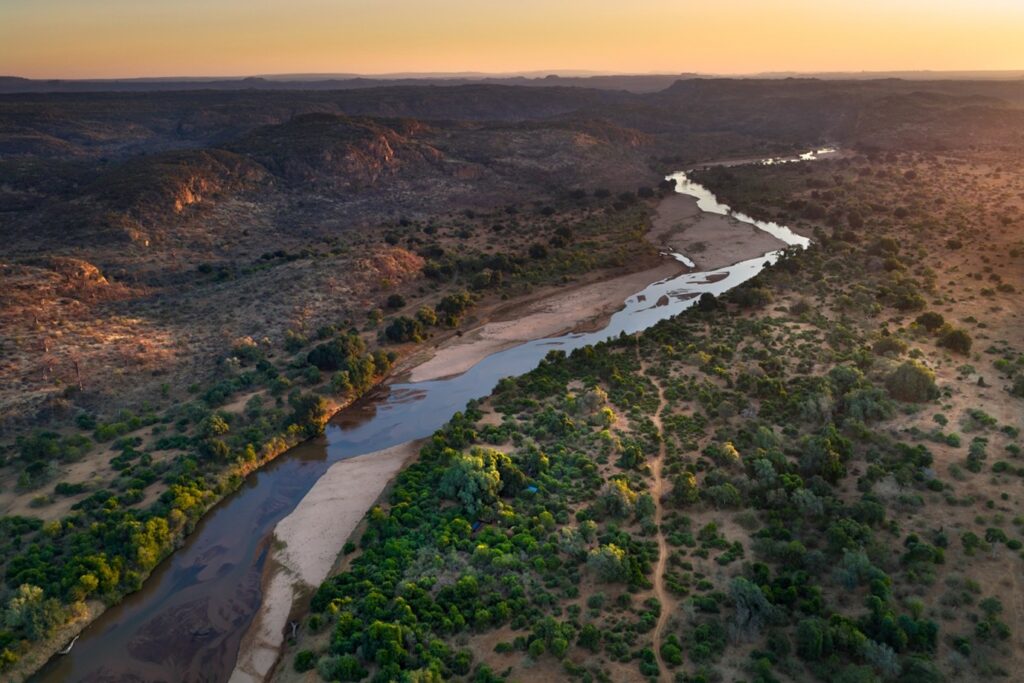
“As a boy, I gazed across the Luvuvhu to what was, in those apartheid years, forbidden country to the north. I did not then understand the things happening there. But even as a child, I knew I would one day return. When I did, many years later, I met the Makulekes whose land it once was and would be again. I am deeply grateful to them for granting me their trust. Today, as proud partners, we invite you to join us by visiting the dream we call RETURN Africa.” – PJ Massyn, CEO & Co‑Founder of RETURN Africa
RETURN Africa’s tenth anniversary in 2025 was not simply a milestone in tourism. It marked the continuation of a much older story, one of community, trust, and authenticity. These values are lived daily by the people who welcome guests, guide them through fever tree forests, and open the doors of Welgelegen House and An African Story.
Restitution and Community
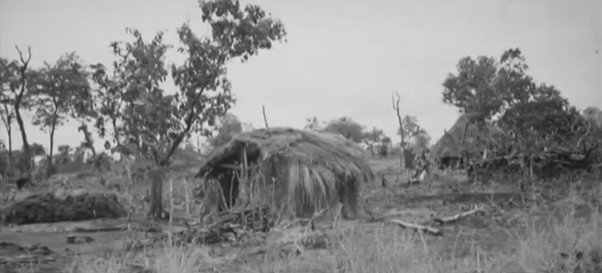
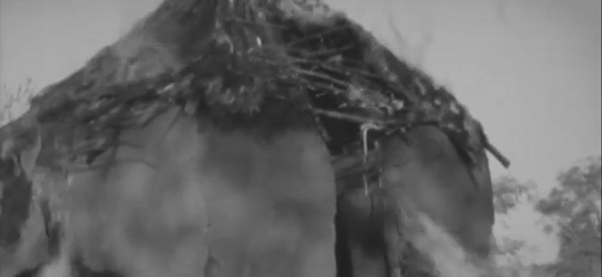
The Makuleke story begins with loss. In 1969 families were forcibly removed from the Pafuri Triangle, their homes burned, their elders displaced to arid land.
When democracy came, the Makuleke chose a path of vision. In 1996 their land claim was settled, and they became the first South Africans to reclaim land inside Kruger National Park. Instead of extraction, they chose conservation. “All we wanted was to have the rights of the land,” Gibson Makuleke explained. “This land is ours, and its conservation is our responsibility.”
For Godfrey Baloyi, restitution is remembered not as an abstract victory but as a struggle carried by names and faces: Chief Judas Mugakula, Bios Hlungwani, Gibson Maluleke, Dr Lamson Maluleke, Mr. Mkhényi, and others who carried the weight of history. “It was a big battle in court,” Godfrey recalls. “Kruger Park resisted, but we had friends of Makuleke, PJ among them, who stood with us.”
The impact is visible today. RETURN Africa employs more than seventy permanent staff from the community, with many more joining for projects. For Godfrey, empowerment is personal. Once a guide under Wilderness Safaris, he is now general manager. “RETURN Africa trusted me,” he says. “That trust is empowerment.”
Community here is not a word. It is a lived reality: jobs created, dignity restored, and leadership carried by Makuleke hands. “For us we are not at work, we are at home where we welcome and host our guests with pride.”
Continuity and Enduringness
Enos Mngomezulu began guiding at Pafuri in 2005. He remembers the flood of 2013, when Wilderness Safaris, then operating the concession, were forced to withdraw. “Continuity means enduringness,” he says. “RETURN Africa endured where others dropped the ball. They rebuilt, and even through COVID, they came back stronger, winning awards against lodges that had decades of history.”
For Enos, continuity is not about buildings or brands. It is about presence, staying when it is hardest, and proving resilience through storms and silence. He recalls resigning from another lodge in 2015 to return “home” to Pafuri. “It was not easy to adopt a damaged camp, but RETURN Africa endured the test of time by starting from scratch.”
Ellen Manganyi remembers those same years as challenging but formative. “The restitution period was difficult, and when Wilderness was affected by floods, everything changed for us, not only in the workplace but in the community too.” What struck her most when RETURN Africa took over was the shift in spirit. “There was more communication, more respect for local people, and more effort to create opportunities for us as staff. The focus was on the Makuleke and the history we hold.”
For Ellen, continuity is deeply personal. “This place is more than just a workplace because it holds history, memories, and a strong sense of belonging. Being part of Pafuri and seeing the progress over the years has made me proud. I feel that I am contributing to something meaningful, something that connects nature, community, and culture.”
Together, Enos and Ellen’s voices show that continuity is not only about rebuilding after floods or surviving pandemics. It is about respect, belonging, and the daily practice of values that make RETURN Africa more than a lodge. It is a community that endures.
Floods and Resilience: 2013 and 2026
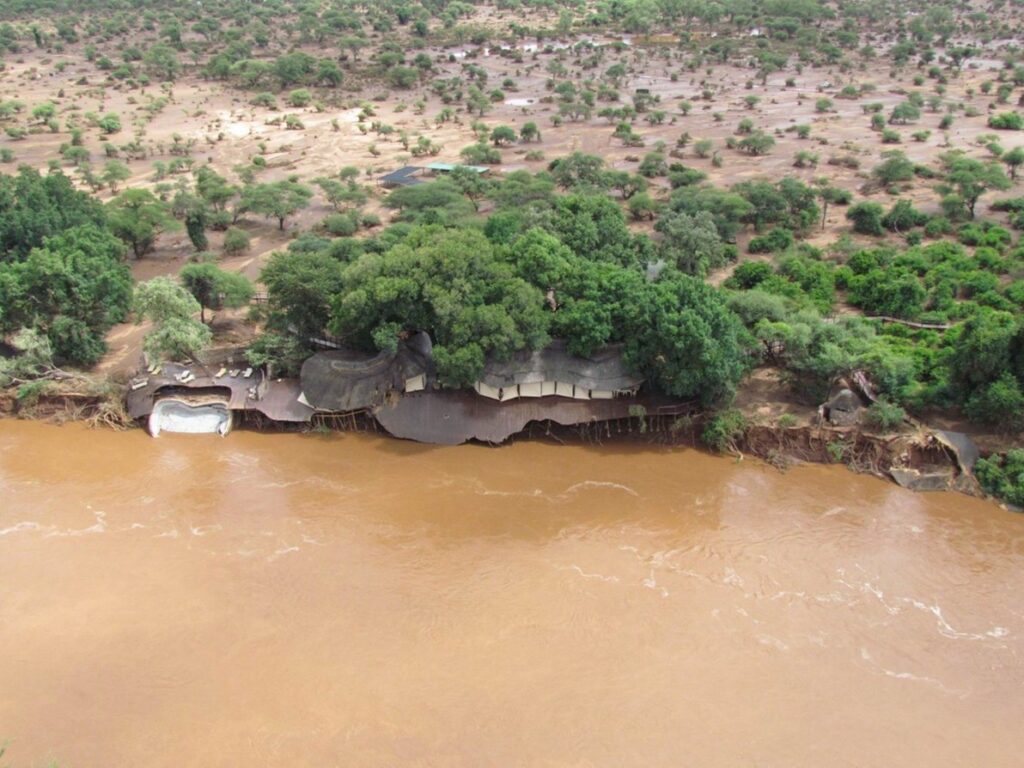
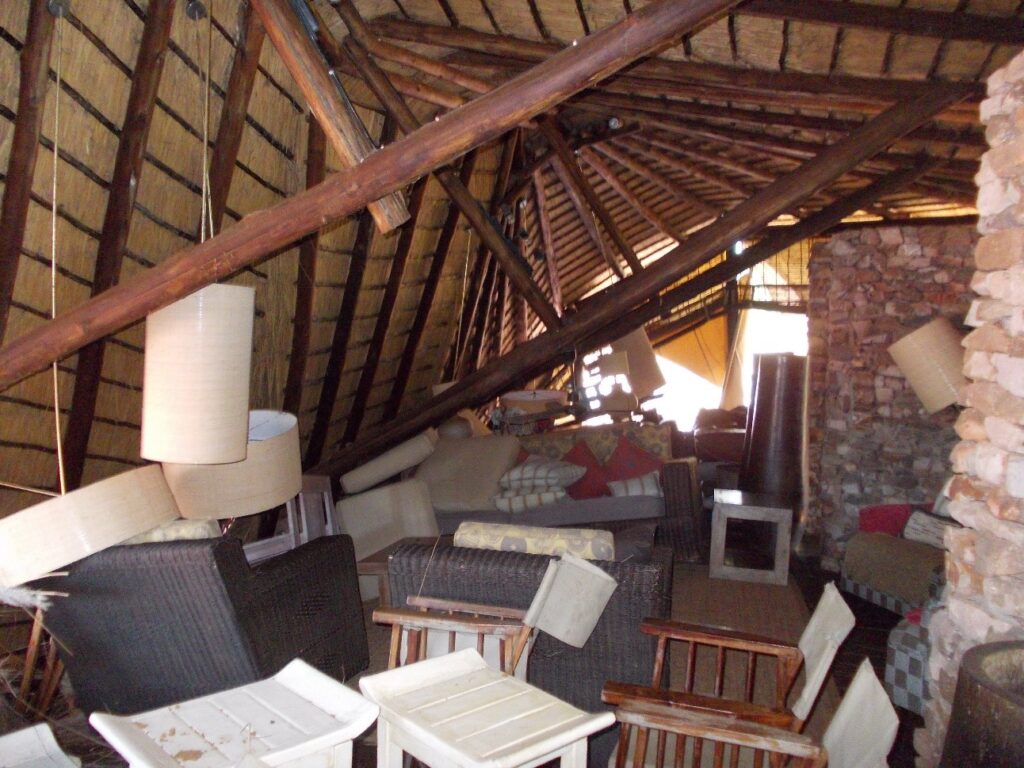
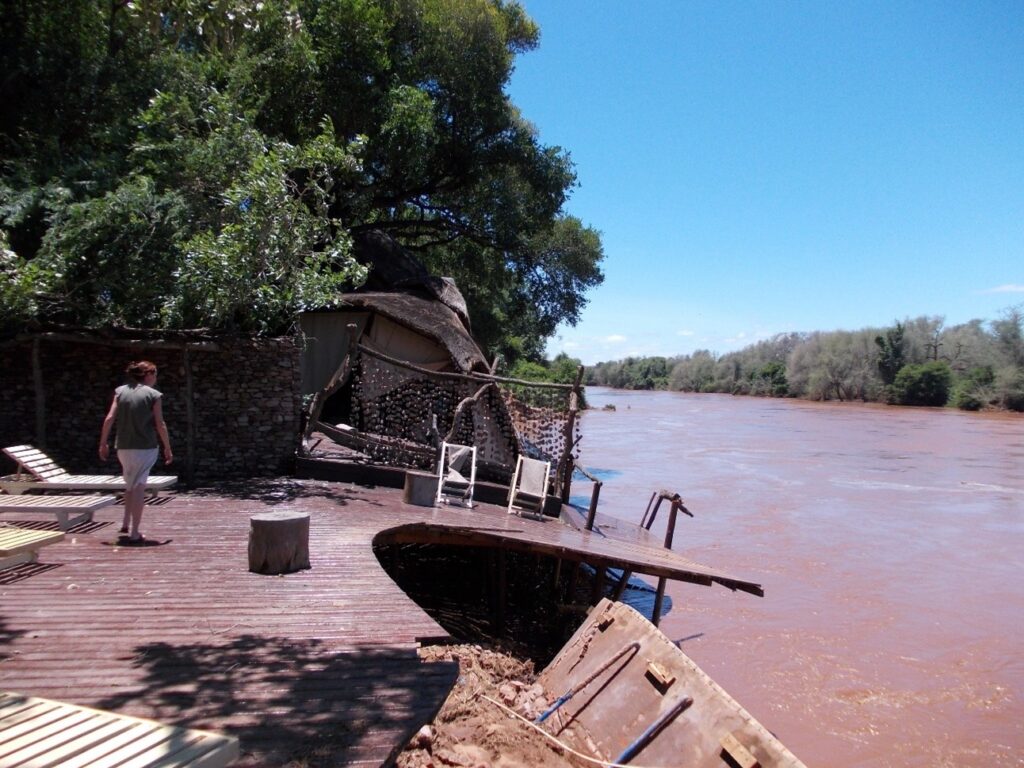
The floods of 2013 brought immense damage to Pafuri Camp. Wilderness Safaris, who managed the concession then, concluded their involvement, opening the way for RETURN Africa to begin a new chapter. What might have been the end of the story became instead a beginning, rooted in resilience and defiance.
Thirteen years later, in January 2026, the Luvuvhu River rose again. Heavy rains forced precautionary evacuation of guests and staff. Floodwaters swept across the floodplain, echoing the devastation of 2013. Yet this time the response was different. RETURN Africa acted swiftly, prioritising safety, and has begun rebuilding once more. Pafuri Camp will emerge more resilient, more defiant, and ready to offer an even better experience.
The floodplain itself is a living system, shaped by cycles of water and renewal. Each rise of the river brings change: soils enriched, forests replenished, wildlife patterns altered. What may feel like destruction is also part of the pulse of nature, a reminder that this landscape is alive, dynamic, and constantly returning to balance.
The floods of 2026 are not remembered as defeat, but as proof of resilience. Staff and community stood together, defiant against nature’s force, committed to restoring Pafuri once more. Guests who had to leave were reassured that they would return to a place renewed, a place that endures.
In PJ’s words: “We are resilient. We will rebuild. RETURN Africa has faced floods before, and each time we return stronger.”
Cape Town: Hospitality with Heart
Further south, RETURN Africa’s values take shape in an urban setting. At Welgelegen House and An African Story, hospitality is not just service but connection.
Simon Omurye remembers a guest from the Netherlands who told him: “I don’t know how you do it. You are always so full of joy, and it spreads across your team. Waking up here feels magical, coffee and smiles that make the day begin with warmth.”
Simon’s own journey began unexpectedly in 2010, when he stepped in to save a party at Welgelegen. His calmness and initiative led to a job offer, and when RETURN Africa took over in 2017, he found growth and belonging. “Our backs are covered,” he says. “That sets us free to do our jobs with ease. Guests feel joy because we feel supported.”
He recalls guests who stay connected long after their visit, sending photos and video calls from Sri Lanka or Australia, reminding him that RETURN Africa is more than a stay. “Every guest becomes part of the family. That is why they return, because they are returning to family.”
Memory Masuku adds: “At Welgelegen, guests feel warmth, patience, and genuine care in every detail. It’s more than a guest house. It’s a place where conversations matter, where everyone is seen.”
For her, RETURN Africa has been a blessing, giving her strength to support her son’s education and space to grow in confidence. “Welgelegen gave me space to rise, to believe in myself, and to build a better future for my son.”
Guests leave Cape Town with more than photographs. They carry stories of resilience, kindness, and connection, reminders that hospitality can be as transformative as wilderness.
One Heart, Many Places
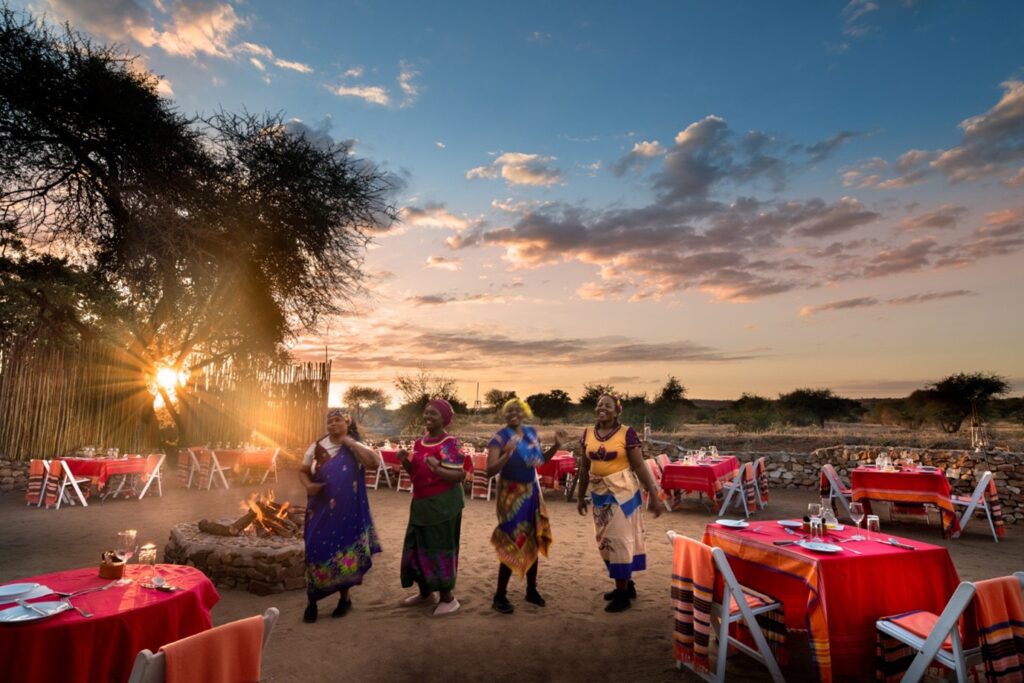
Pafuri and Cape Town may be different landscapes, but they are bound by the same heart. In Pafuri, guests feel the ancient soul of nature and the enduring spirit of community. In Cape Town, they encounter the vibrant energy of culture and history. What connects them is RETURN Africa’s promise to honour people, place, and story.
Whether standing under baobab skies or walking through city streets, guests feel the same warmth, the same welcome, the same commitment to meaningful moments.
Closing Reflection
“My journey with the Makuleke community began more than thirty years ago, soon after I returned from exile to help build a new South Africa. In those early years, the Makuleke were among the first to show me what restitution, partnership, and shared stewardship could truly mean. Their courage to reclaim their ancestral land and choose conservation over extraction shaped my understanding of what sustainable tourism should be, a lesson that has guided me ever since, culminating in the creation of RETURN Africa ten years ago.
Today, every senior manager in both Cape Town and Pafuri is a black African leader. They carry deep knowledge of the land, and their leadership embodies the return of agency, dignity, and ownership to the people of these extraordinary landscapes. These milestones are waypoints, evidence of what steady, respectful presence can achieve.
To travel with RETURN Africa is to be part of a larger story, one of restoration, respect, and belonging. It is to walk through fever tree forests or climb Table Mountain and know that your presence supports livelihoods, restores dignity, and renews the bond between people and place. Even as the Luvuvhu rises again, our story is one of return, resilience, and renewal. We invite you to return, to nature, to community, to Africa.” – PJ Massyn, CEO & Co‑Founder of RETURN Africa