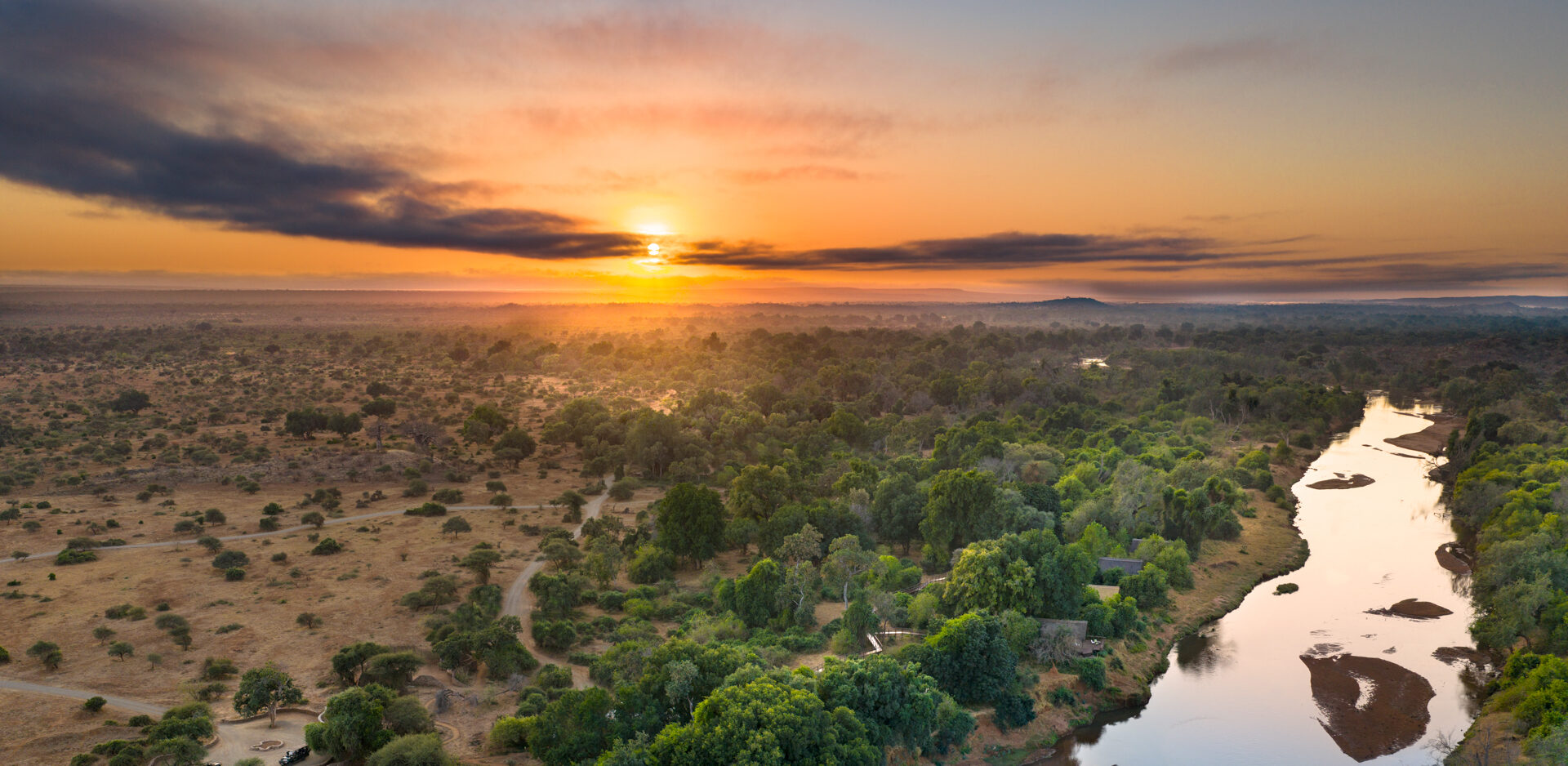
The floodplain exhales. In early January the Luvuvhu river spilled over its banks, and the air now carries the scent of damp earth and new growth. Devil’s thorn, a yellow-flowered ground cover which flourished on the dry earth is now giving way to carpets of sweet nourishing grass.
Although the raging Luvuvhu wreaked havoc, damaging roads and our Camp infrastructure, the river did not simply take; it rearranged, laying down fresh pages of soil and light. The floodplain appears to be answering with an urgent, impatient abundance.
Landscape Renewal and Resilience
As the floodwater receded, it left ribbons of silt and fresh sediment where dust once lay. Bright new shoots are pushing through as dormant seeds are gifted with the moisture needed to germinate. Reedbeds, pressed flat under the flood’s force, are rising again, green stems standing tall as if nothing had passed. This is not defiance or hope, but simply the rhythm of life on the floodplain, bending, returning, and continuing.
And towering above these seasonal shifts, baobabs stand as witnesses. Their massive trunks appear to bear the marks of centuries of floods, droughts, and storms, yet they continue to leaf and fruit. They suggest that resilience is not only about recovery in the moment, but about endurance across generations.

Mammals Returning to the Table
Herds of zebra and other browsers have already returned to the floodplain, feeding on the fresh shoots. Their presence seems to be reshaping the
landscape, and with prey numbers increasing, predator dynamics may begin to shift. The floodplain is becoming a mosaic of movement and opportunity, where grazers and hunters alike adjust to the rhythm of new growth.
Birdlife Bounty at the Pans
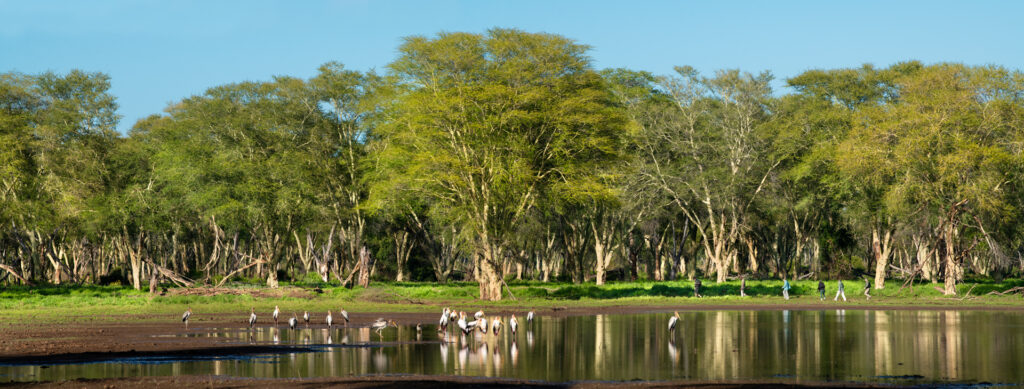
Pans have filled, and birdlife is flourishing. Shallow pools and reed edges are alive with activity as insects and aquatic life emerge. The floodplain seems to be turning into a stage of abundance, with birds weaving through grass and water in response to the bounty. These seasonal gatherings at water’s edge are part of the floodplain’s unfolding story, helping knit together terrestrial and aquatic food webs.
Water, Fish and the Small Things That Matter
Beneath the surface, pulses of water are reconnecting habitats and creating opportunities for breeding and dispersal. Pools that were once shallow have deepened and linked, giving fish and amphibians room to reproduce and disperse. Each rise and fall is triggering cascades of small lives, eggs hatching, insects emerging, food webs entwining. Quiet corners that appeared empty before the flood are becoming nurseries and feeding grounds, sustaining larger ecological processes.
People and Place
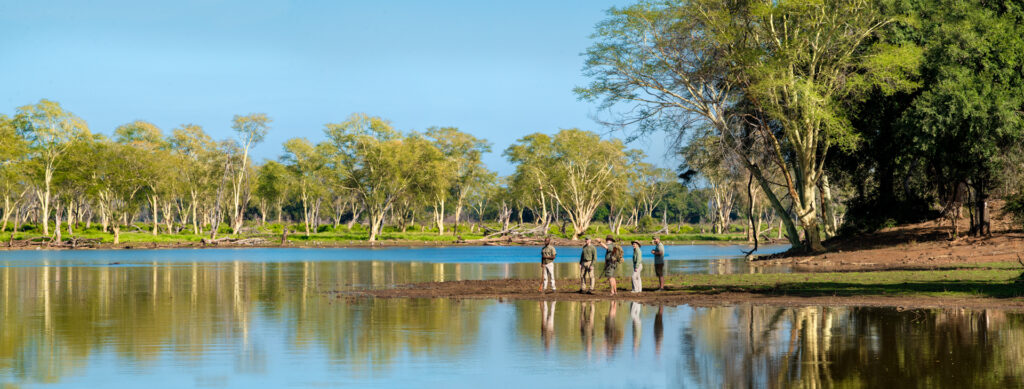
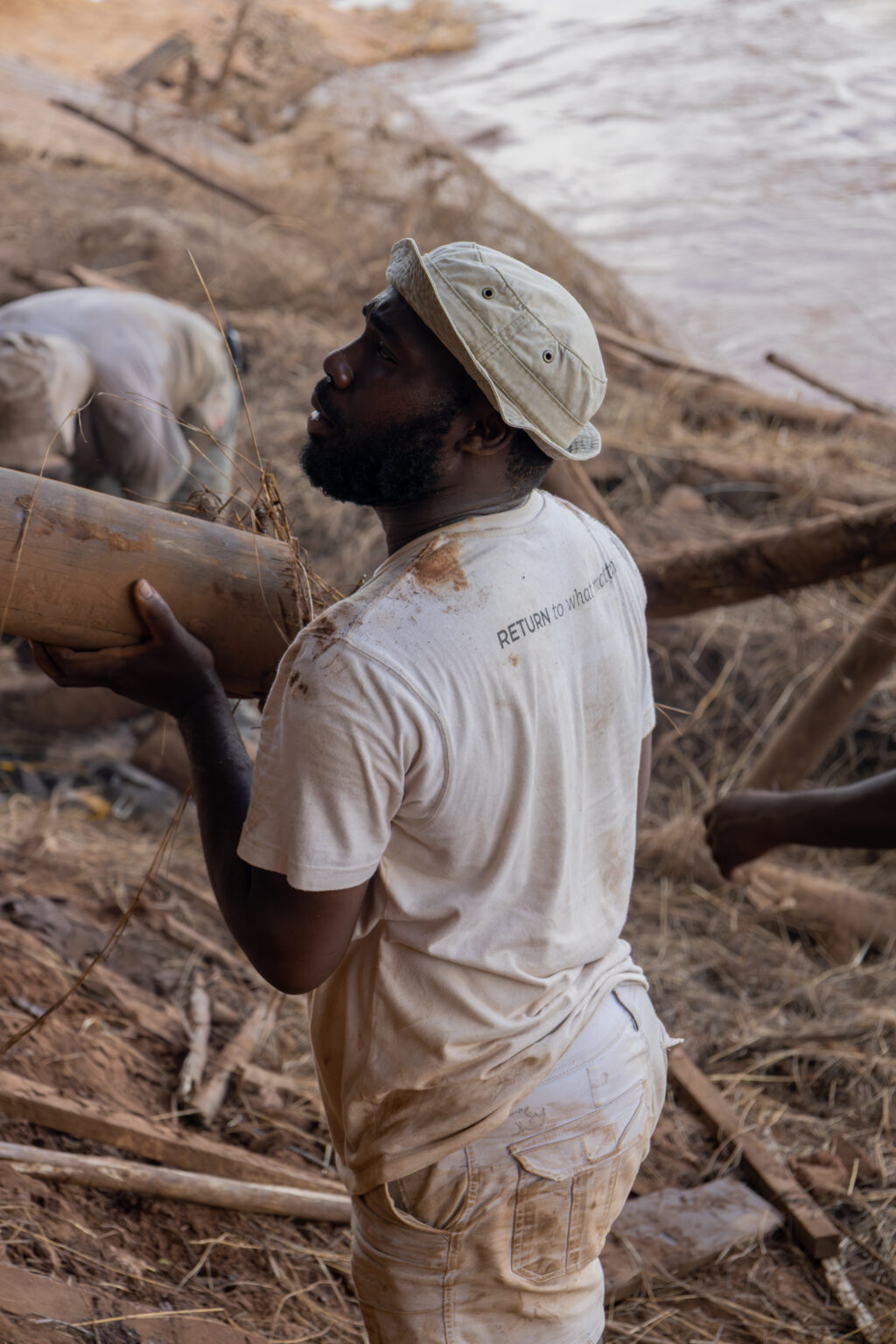
Local knowledge reads the plain like weather. Changes in grass, new channels cut by the river, or the return of herds are practical signals that guide daily choices: which tracks will hold after the water, how grazing routes are shifting, where wildlife is concentrating. These are not grand narratives of triumph but quiet adjustments, a daily choreography with a river that keeps moving. RETURN Africa frames conservation and hospitality around these seasonal rhythms while remaining conscious of the broader human impacts of flooding.
Renewal Beyond the Floodplain
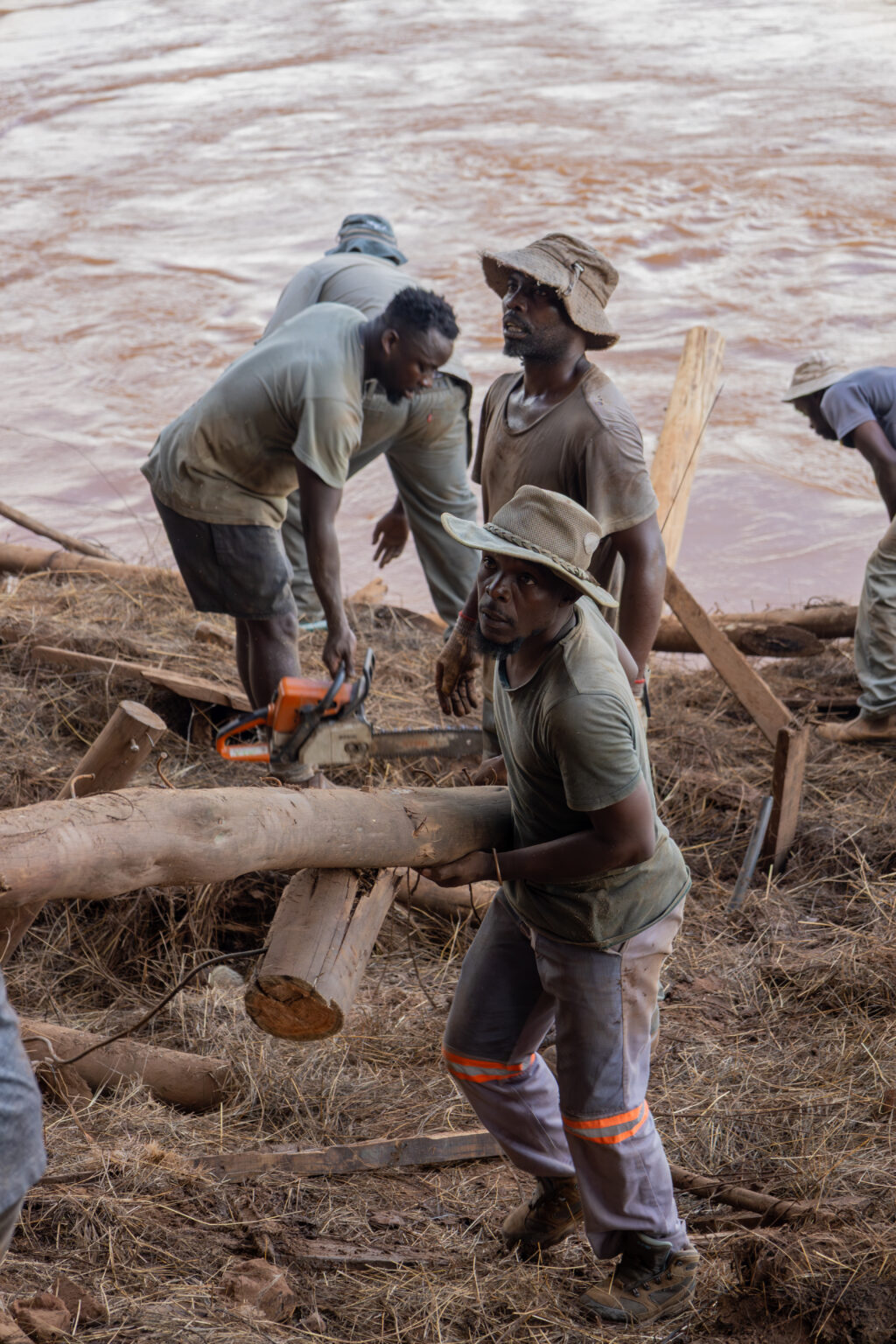
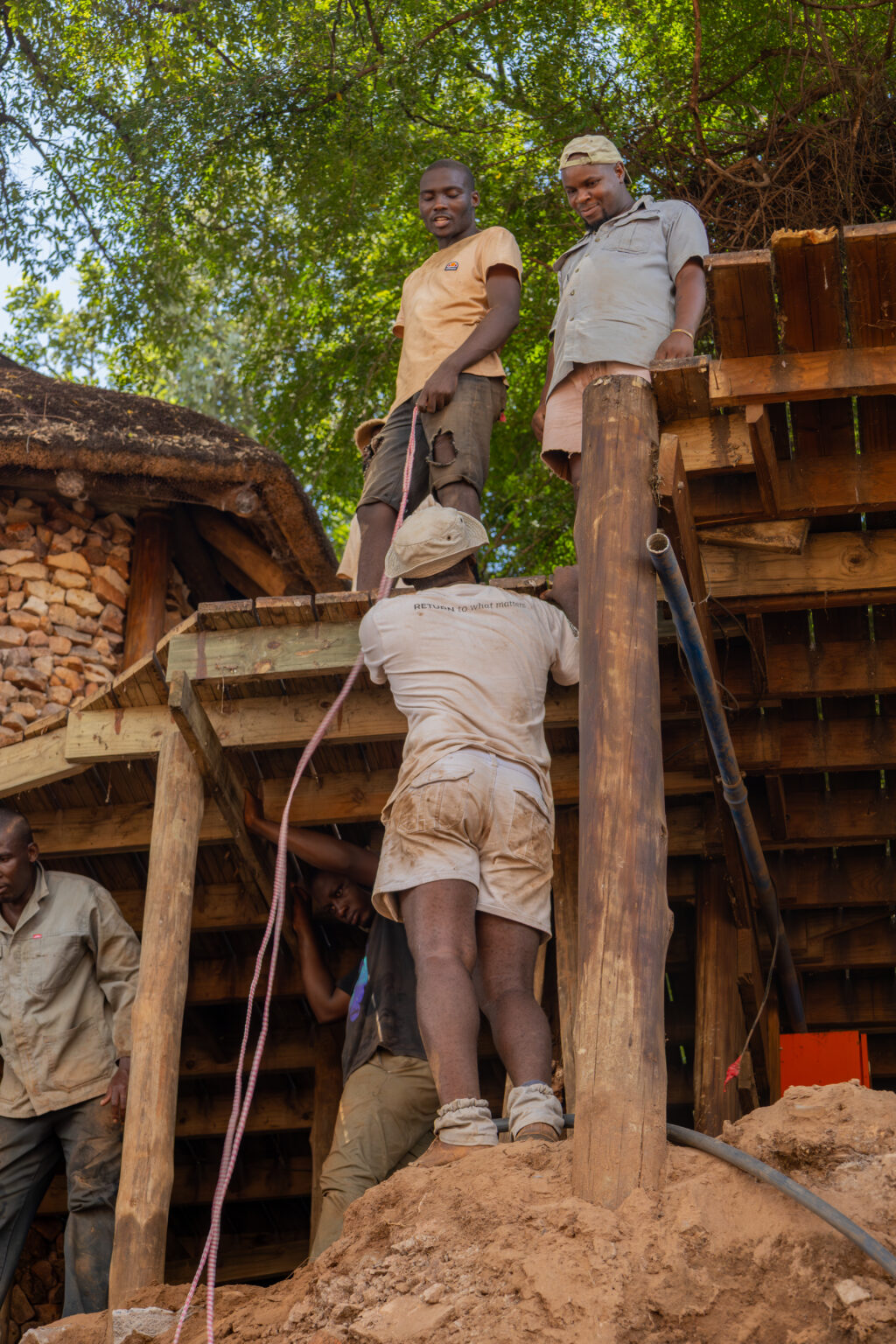
As the land breathes again, so too does RETURN Africa begin its own work of renewal. While our camps remain closed for now, the rhythm of restoration continues behind the scenes. Teams are carefully rebuilding, refurbishing, and preparing spaces so that when you return, they will feel both familiar and freshly reborn.
We cannot yet promise exact dates, but we are working towards welcoming you back on the following timelines:
- Baobab Hill House will reopen on 26 March 2026, following a thoughtful refurbishment unrelated to the flood. (A dedicated press release will share more soon.)
- Hutwini Walking Camp and Nkula Walking Camp are set to reopen on 1 April 2026, inviting guests once again to walk lightly through the wilderness.
- Pafuri Camp, the heart of our northern Kruger home, is targeted to reopen on 1 June 2026, ready to host stories of return and renewal.
These dates are not just markers on a calendar, but milestones in a larger journey of resilience, places where hospitality and landscape meet again after interruption.
Reflection
Renewal on the floodplain is not a finished story but an unfolding one. The Luvuvhu’s ebb and flow redrew boundaries, and the plain’s capacity to begin again is visible now in each shoot of grass, each rising reedbed, each returning herd, and each enduring baobab. In Pafuri, within the Makuleke Contract Park of northern Kruger, the flood is not an ending but a beginning, abundance arriving even as recovery continues elsewhere.
A Note of Empathy
While the floodplain here at Pafuri, is beginning to show signs of renewal, communities further south are still facing damage and loss. RETURN Africa recognises that any language of abundance must be tempered with
compassion for those still recovering. This reflection is offered with humility, observing how resilience is unfolding in one corner of the park while acknowledging hardship elsewhere.