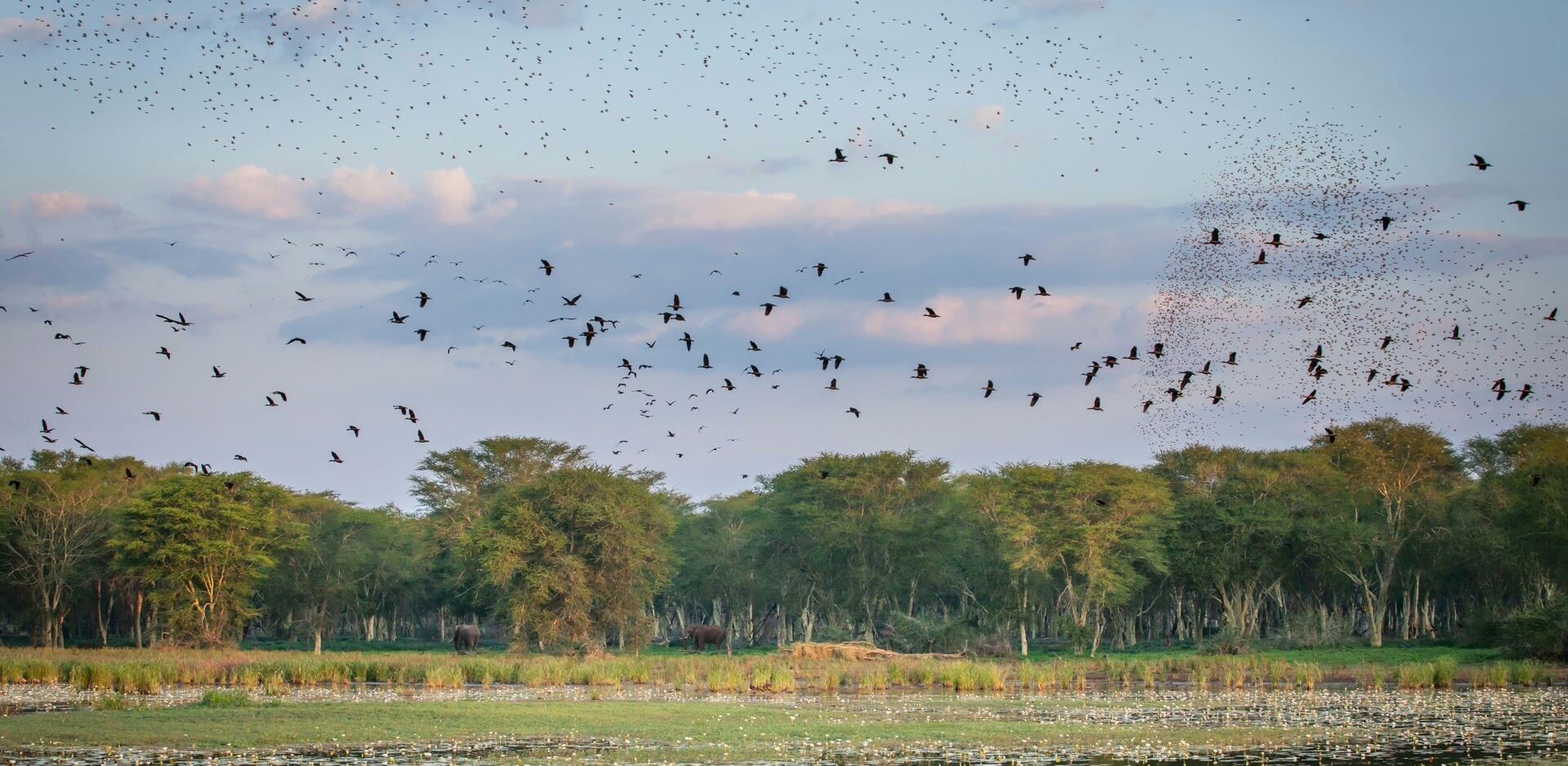
Image courtesy of Marius Swart
As the first thunderclouds gather over Pafuri and the scent of rain drifts through the fever tree forest, the skies shift. Bee-eaters streak overhead, cuckoos call from hidden branches, and swallows stitch the air above the floodplains.
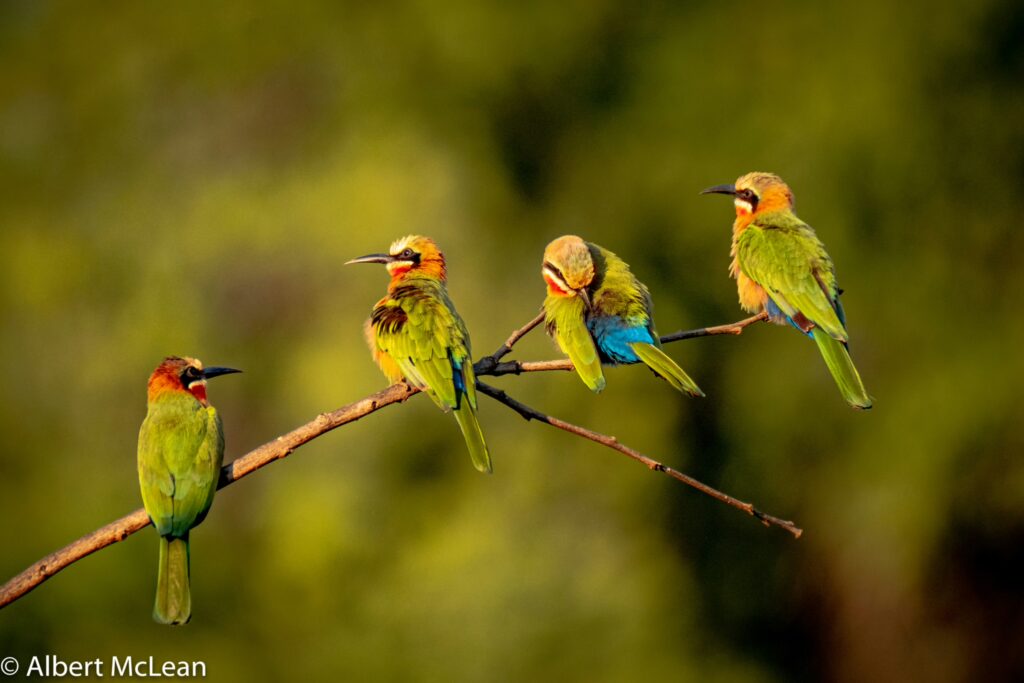
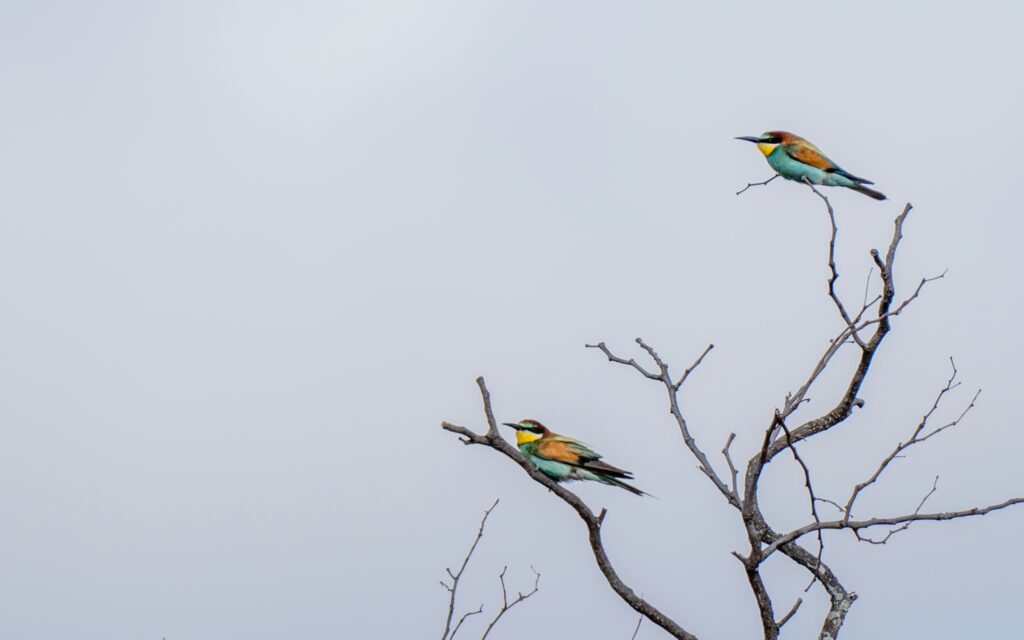
According to Zach Savage, one of RETURN Africa’s guides, the spectacle truly begins with the European Bee-eaters. “They arrive in flocks, and you often hear them before you see them. They’re colourful, prolific, and they change the sky,” he says.
For birders, it is one of the most exciting times to visit. For travellers, it is a chance to watch the land breathe in rhythm with the seasons. One guest reflected, “We love birding and saw 31 lifers on this trip.” – NicholasLM39
The Changing Skies
The green season begins in October, just before the rains. European Bee-eaters arrive first, followed by flashes of Klaas’s Cuckoo and the unmistakable call of the Red-chested Cuckoo, Piet-my-vrou. Zach notes that some migrants trickle in even earlier, from late August into September, with Yellow-billed Kites and Wahlberg’s Eagles leading the way.
Spotting the Differences
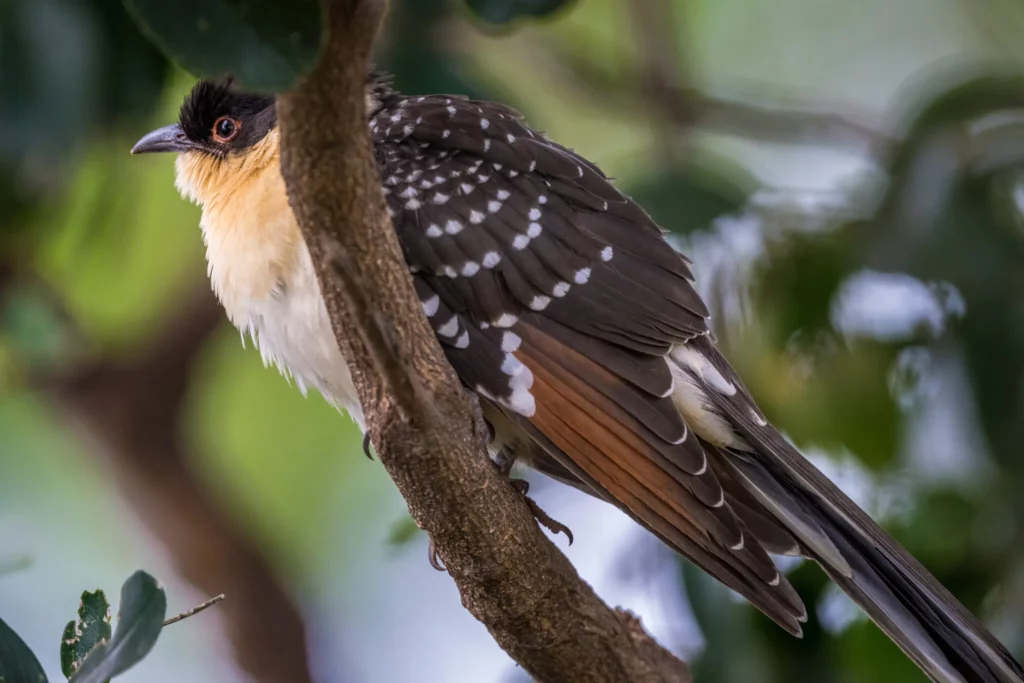
Not all migrants are simple to tell apart, especially for first-time visitors. Cuckoos and raptors are often misidentified.
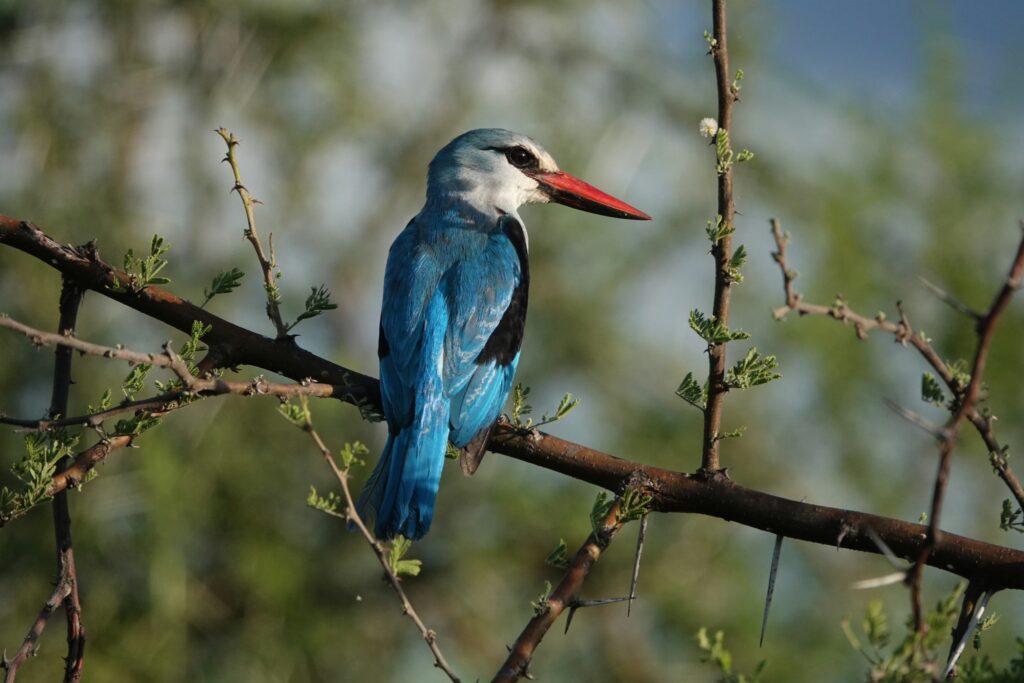
“Guests sometimes mistake Wahlberg’s Eagles for Steppe or Tawny Eagles,” Zach says. “But the square tail gives them away. And Brown-hooded Kingfishers, which are resident, are often confused with the more seasonal Woodland Kingfishers. Watching tail shapes, flight patterns, and listening for calls helps.
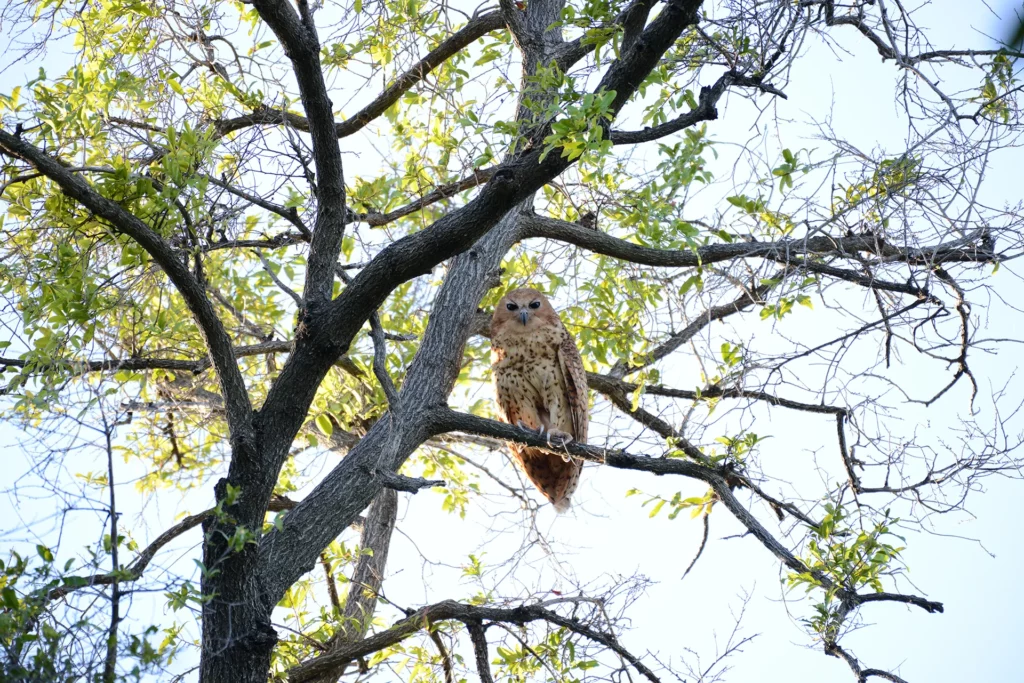
It is this attention to detail that makes birding in Pafuri feel like a puzzle that rewards patience. A guest shared, “We went on two game drives daily and our guide Hlahla was amazing. My husband clocked up 160 birds while we were there, and the migrant birds had not returned at that stage. We saw Pels Fishing Owl a few times from the dining room deck on return from the sunset drive.” — Mary D
Dances in the Air
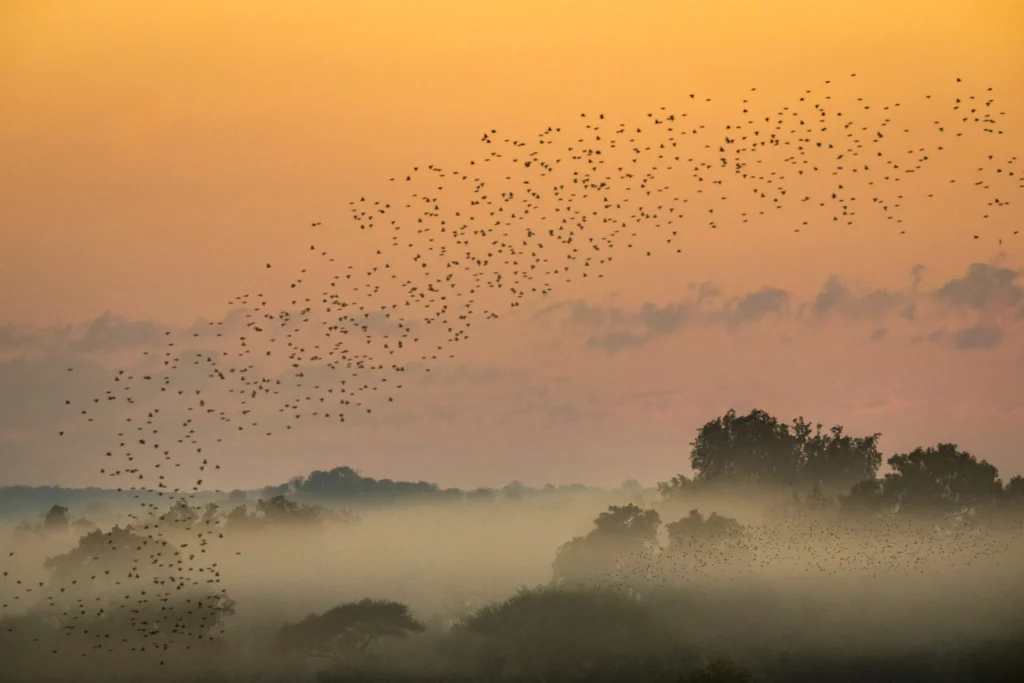
Migration is not just about arrival, it’s about what happens once the birds are here. Mass roosts of bee-eaters turn bare mopane into shifting tapestries of colour. Cuckoos call relentlessly, and sunbirds flit between blossoms.
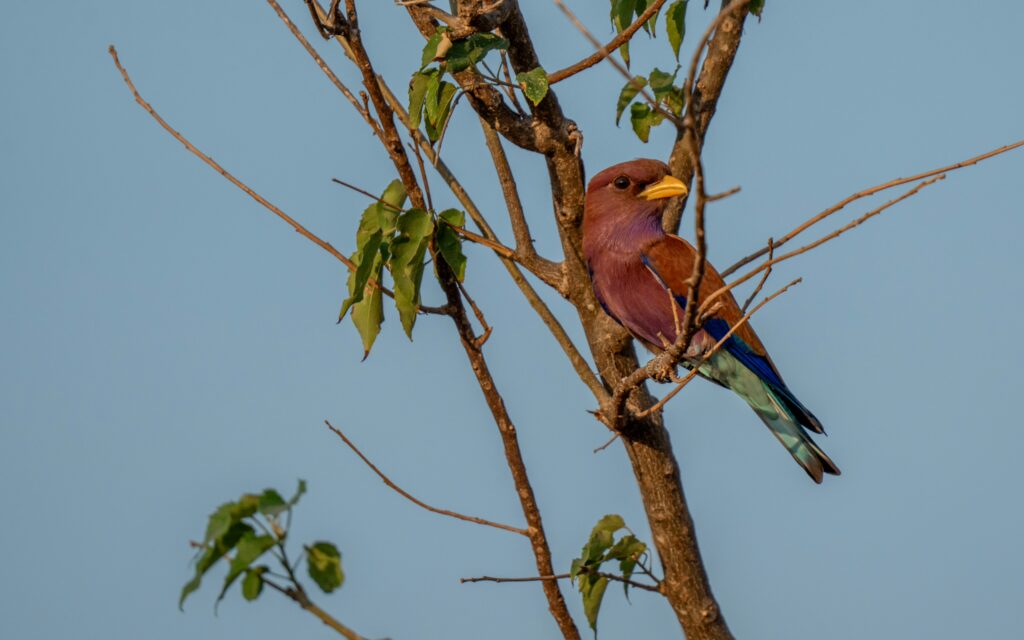
After good rains from November through January, Lesser Spotted Eagles gather in flocks of 30 or more at seasonal floodplains, foraging at termite eruptions. Broad-billed Rollers, arriving mid-to-late October, hawk insects at dusk in flight, like nightjars. Watching them hunt against the darkening sky is unforgettable.
Another guest commented, “You’ll see abundance of wildlife, and if you’re into birding, there couldn’t be a better location in South Africa.” — Thomas M
Timing and Place
Migrants follow their own rhythms, but guides know the patterns. Zach explains, “Some waders, like Sandpipers, Stints or Plovers, only arrive in spring on their way to the coast. Broad-billed Rollers are best seen along forest edges and in the Fever Tree Forest by the Limpopo River. It is all about being in the right place at the right time.”
The Ecology of Arrival
These birds are not just a spectacle, they are part of a working system.
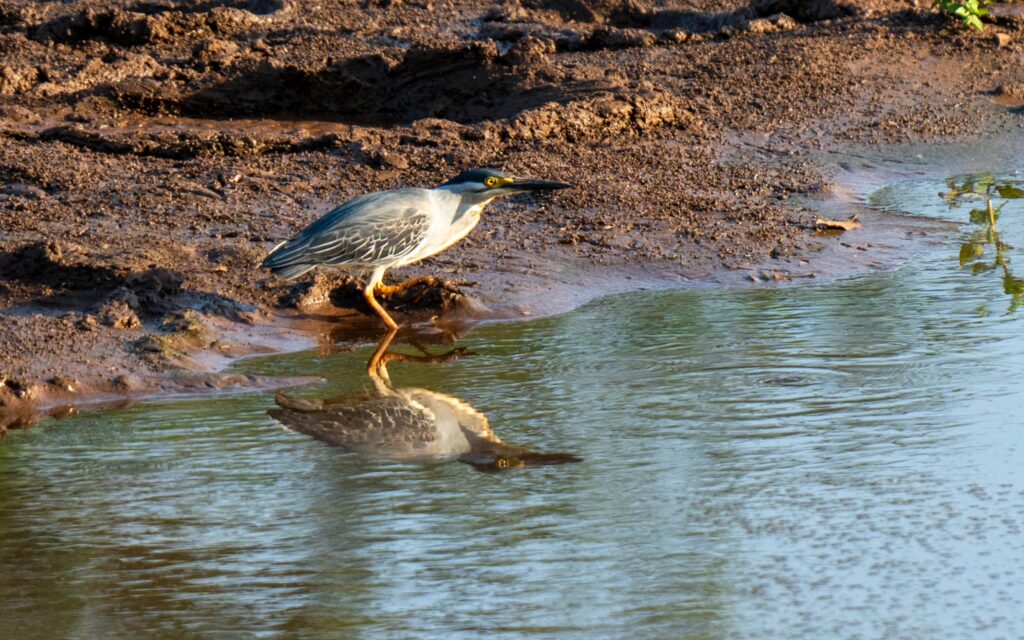
“Most of the migrants are insectivores,” Zach notes. “Swallows feed on mosquitoes, while waders and herons take larvae in the pans. They help hold insect populations in balance, which is vital in the green season.”
Birding Month by Month
The Green Season unfolds like a carefully choreographed ballet. Each month has its own highlights:
- October: Thunderclouds build, and European Bee-eaters return. Great Spotted Cuckoos begin calling.
- November: Bee-eaters are in full force across the floodplains. Red-chested Cuckoos and Woodland Kingfishers become a constant background sound, and insect hatches after the first rains fuel activity.
- December: Cuckoo diversity peaks with Diederik, Red-chested, and Great Spotted calling and being seen. Sunbirds flit through flowering shrubs and fever trees, and Broad-billed Roller’s hawk insects at dusk.
- January: Mixed flocks are at their liveliest, with the canopy busy from dawn to dusk. Nightjars and Owls become vocal after evening storms, and breeding activity is noticeable.
- February: Bee-eaters begin to thin, but cuckoo calls remain frequent. Feeding behaviour is at its best, with parents provisioning chicks, while butterflies and insects attract even more migrants.
- March: Migrant numbers gradually decline. This is the last great chance for photographs before the canopy thickens, and swallows gather in pre-departure flocks.
- April: Most migrants depart, leaving quieter skies. Occasional stragglers linger if insect numbers remain high. Zach notes that the latest Woodland Kingfisher he recorded here was on 24 April.
Green Season vs Dry Season
Birding at Pafuri changes dramatically with the season.
- Dry Season: Guests typically see 120 to 150 species over three nights. Identification is simpler, perfect for novice birders. Residents include Tawny Eagles, Pels Fishing Owls, as well as Little and White-fronted Bee-eaters.
- Green Season / Summer: Species lists jump to above 200. Migrants add complexity, including Wahlberg’s and Lesser Spotted Eagles; Broad-billed and European Rollers; European and Blue-cheeked Bee-eaters. Some migrants even displace residents, creating fascinating interactions.
Why It Matters
Migration is more than movement; it is a story of return.
“The birds remind us that the land, rivers, and seasons are part of a larger cycle of renewal. Each year, when the migrants come home, so too can we,” Zach Savage says.
Plan your Green Season journey to Pafuri and watch the ballet unfold.